
- Scout & Cellar Wine Review: Three Zero Sugar Wines, Delivery, and What “Clean-Crafted” Actually Means - October 29, 2026
- The Best Red Wine Clubs in 2026 - September 25, 2026
- Best Direct-to-Consumer Wine Brands for Value in 2026 - September 24, 2026
If you’ve looked up Scout & Cellar, you’ve probably noticed the conversation diverges in two main directions. The brand’s website and a handful of blogs talk about Clean-Crafted™ wine and ingredient transparency, which is becoming increasingly important to consumers. Wine forums talk about consultants, in-home tastings, and whether “clean wine” means anything at all.
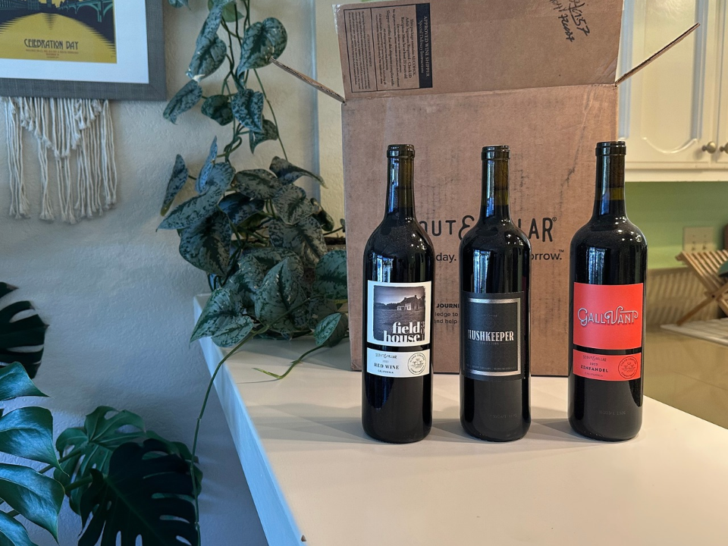
Personally, I was curious about the quality of what’s in the bottle. So, I ordered six wines from Scout & Cellar’s Zero Sugar collection and spent a few weeks drinking my way through them. This review covers three of those wines, what Scout & Cellar’s Clean-Crafted Commitment® promises, how ordering and delivery went, and the consultant sales model that many people have questions about.
Table of Contents
About Scout & Cellar
Scout & Cellar was founded in 2017 by Sarah Shadonix and sells wine direct to consumers online. Rather than putting all wines under a single brand label, they release wines under a family of brand names, each with its own style and character, including Etnico, Hushkeeper, Fieldhouse 301, Gallivant, Dove Hunt Dog, and others. The common thread throughout each brand is the company’s own production standards, called the Clean-Crafted Commitment®, and every single Scout & Cellar wine has to meet them.
What the Clean-Crafted Commitment® Means
The standards encompass three pillars.
1. Grapes grown in healthy soil. Synthetic pesticides are prohibited, and wines are third-party tested for more than 175 commonly used pesticides, including glyphosate. Certain naturally derived vineyard treatments, like cinnamon oil, garlic oil, rosemary oil, or diatomaceous earth, are allowed when necessary.
2. Simple winemaking. No added sugar and no artificial ingredients. Sulfites are kept under 150 parts per million, and confirmed by a third-party lab.
3. Testing for purity and flavor. Beyond lab testing, Scout & Cellar audits ingredients, processing aids, growers, and production partners, and every wine goes through an in-house taste review. The company says wines that don’t pass don’t make it to market.
Here are a few clarifications worth noting:
- Clean-Crafted isn’t the same as organic. Some of Scout & Cellar’s partner vineyards are USDA Organic certified, but others aren’t. Organic certification can be too costly for small family farms, though that doesn’t mean they aren’t farming with organic practices. Scout & Cellar’s own standards, like finished-product testing, allow them to support farmers that may not have organic certification, while the company remains dedicated to supporting sustainable farming in healthy soil.
- Wines are not sulfite free. Technically, no wine is since sulfites occur naturally during fermentation. Scout & Cellar’s own standards put a cap on the total sulfites permitted prior to bottling.
- Clean-Crafted™ isn’t a health claim. You’ll see plenty of reviews and consultant posts online saying these wines don’t give people headaches. Keep in mind that these are personal anecdotes, not something promised by Scout & Cellar. The Clean-Crafted Commitment® is about how the wine is grown, made, and tested, and that’s how I’d judge it.
The Soil-to-Sip Report™
This impressed me the most. Every product page includes a Soil-to-Sip Report™ with the ingredient list, fermentation and aging details, bottle notes, nutrition per standard 5-oz pour, and the measured sulfite level at bottling.
One common criticism of the brand is that it’s hard to know exactly where the wine comes from. The reports don’t name every grower. I’m sure due to confidentiality clauses. But they tell you far more than most bottles on a grocery shelf, such as vineyard region, vessel, aging time, ABV, pH, and residual sugar. I found myself checking them before opening each bottle.
What “Zero Sugar” Means Here
No added sugar applies to every Scout & Cellar wine. Zero Sugar is a separate designation that applies only to qualifying wines with less than 0.5 grams of sugar per serving, based on the FDA definition cited by the brand. Scout & Cellar has an extensive Zero Sugar Collection on their website and all three of the wines reviewed below are included there.
The Wines
| Wine | Price | ABV | Sulfites at bottling | Sugar (5 oz) | Pair with |
| 2025 Etnico Sauvignon Blanc, Chile | $21 | 12.5% | 130 ppm | 0.14 g | Grilled fish, crudités, goat cheese |
| 2022 Hushkeeper Cabernet Sauvignon, Mendocino County | $34 | 12.5% | 31 ppm | 0.05 g | Beef, lamb, ribs |
| 2023 Fieldhouse 301 Red Blend, California | $23 | 14.5% | 98 ppm | 0.0 g | Pork, BBQ, burgers |
2025 Etnico Sauvignon Blanc, Chile – $21
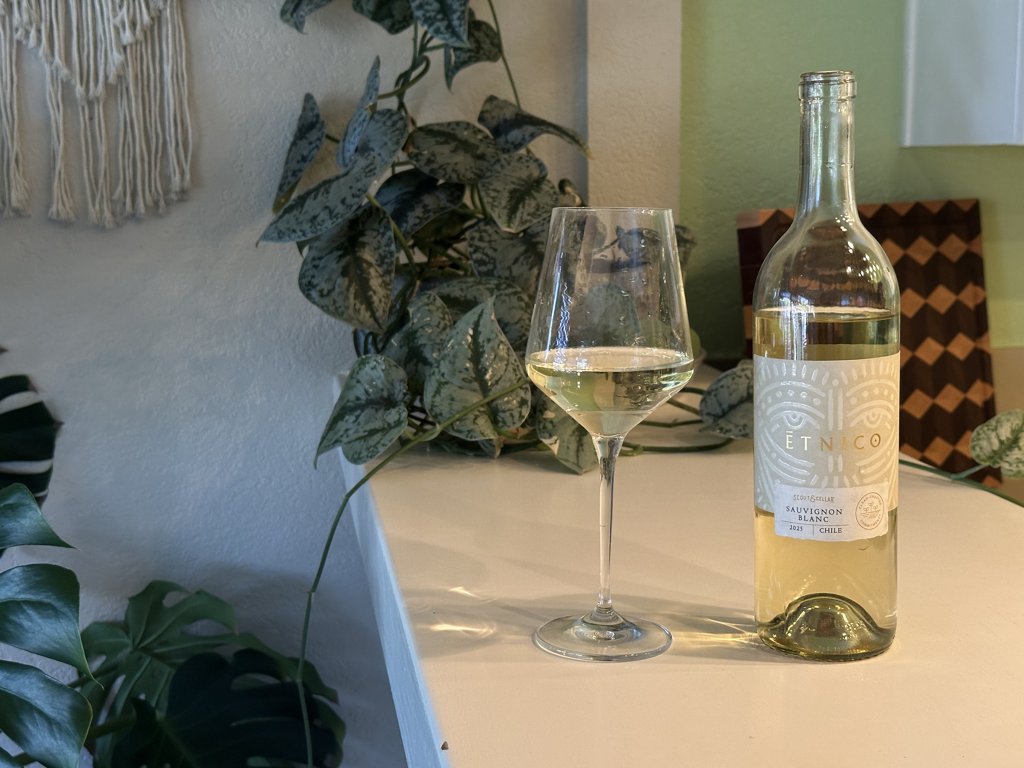
The Etnico Sauvignon Blanc comes from organically farmed vineyards in Chile’s Casablanca Valley, a cool coastal region where ocean breezes and morning fog help grapes hold onto their acidity. It’s fermented in stainless steel, aged in a combination of stainless steel tanks and neutral oak, and skips malolactic fermentation, which keeps it zesty and fresh rather than creamy.
Scout & Cellar describes the flavor profile as lemon and citrus notes with a hint of jalapeño and crisp minerality.
I absolutely loved this Sauvignon Blanc, brimming with tropical notes of guava, passionfruit, fresh grapefruit, and lemon grass with a vivid palate, bright acidity, and a lingering finish.
At 12.5% ABV and 103 calories per 5-oz pour, it’s a light, easy white for warm evenings, an appetizer spread, sushi takeout, or fresh salads and grilled seafood.
2022 Hushkeeper Cabernet Sauvignon, Mendocino County – $34
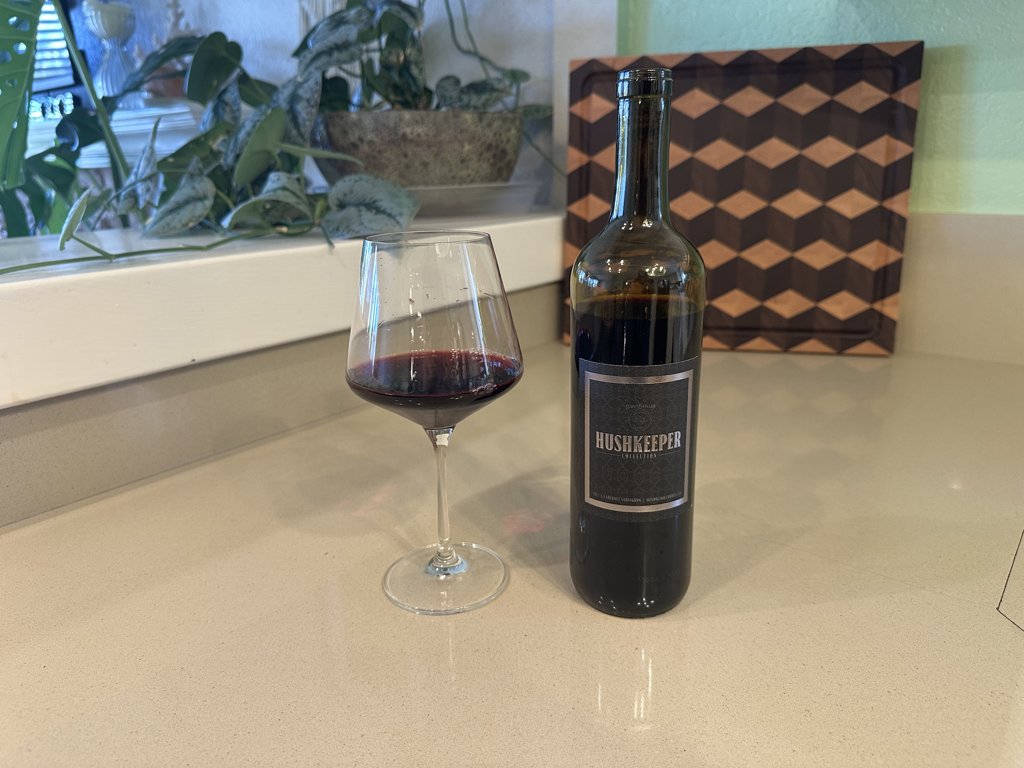
This is the most expensive of the three and the one Scout & Cellar positions as a serious Cabernet. It comes from two single vineyards in Mendocino, both around 20 years old. The grapes were picked at night and early morning to preserve acidity, fermented in stainless steel for 14-21 days, then aged only in stainless for 8-12 months. It’s unfined, gently filtered, and bottled under a sustainable cork.
Two details stood out on the spec sheet. First, there’s no oak aging, which is less common amongst California Cabernet wines and allows you to experience the true varietal character without being overpowered by spice or vanilla notes that often come from oak influence. Second, it measured just 31 ppm sulfites at bottle, well under the brand’s 150 ppm cap, and sits at a moderate 12.5% ABV for a California Cabernet. So, this is a more “drink now” style as opposed to a Cabernet meant to lay down for extensive aging. Although Scout & Cellar suggests it will drink well for the next 7 years, while highlighting aromas and flavors of dark fruit, herbs, espresso and dark cocoa with a round, smooth finish.
For me, the Hushkeeper Cabernet Sauvignon is a fresher, fruit-forward take on the variety with notes of blackberry, black cherry, plum, and graphite, plus a balanced palate with delicate tannins and moderate acidity.
I’d pair this red with a juicy cheeseburger, BBQ ribs, or carne asada street tacos.
2023 Fieldhouse 301 Red Blend, California – $23
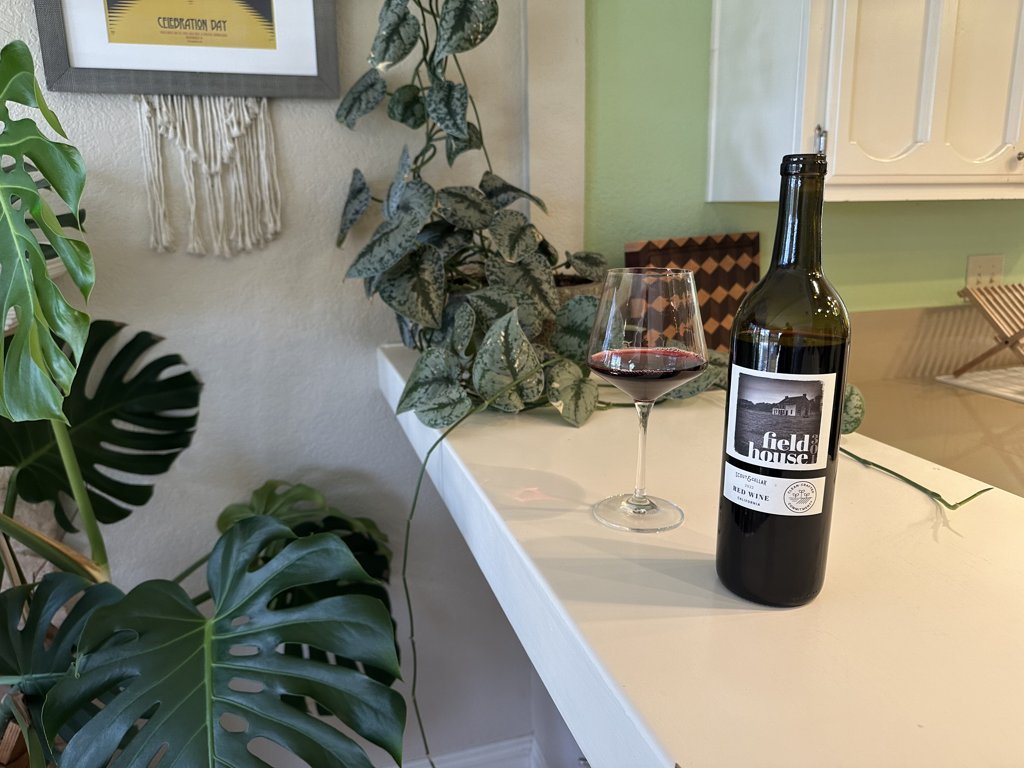
Fieldhouse 301 is named as a nod to the company’s first purchase, and it’s made to be a crowd-pleaser. It was fermented in closed-top stainless steel tanks for 14-21 days, went through full malolactic fermentation to soften acidity and texture, and aged 18-24 months in a mix of stainless steel and neutral wood tanks.
It’s the highest alcohol of the three at 14.5% abv with 0 grams of sugar per serving, described as juicy, ripe, and expressive. One gap that stood out to me was that the Soil-to-Sip Report doesn’t list which grapes go into the blend, which was the one thing I wanted to know.
I found this to be an easy drinking red blend with flavors of crunchy red fruits, a vibrant palate, and smooth finish. This red blend is a great wine for weeknights with your favorite takeout or pizza.
How to Buy: Online, Club, or Consultant
You have a few options when it comes to shopping for Scout & Cellar wines.
Order Directly Online
You can buy individual bottles or curated sets on their website without a membership or a consultant.
Join Scout Circle®
This is the curated wine club. You choose red, white, or mixed; 4, 6, or 12 bottles; and monthly, bi-monthly, or quarterly delivery. Scout & Cellar picks the wines. Members get 10% off, free shipping on club deliveries, member-only offers, and invitations to events and virtual tastings. Current options run roughly $99 for a 4-bottle mixed box, $129 for 6 bottles, and $259 for 12 bottles.
Use Subscribe & Save
If you find a bottle you love, you can subscribe to that specific wine on repeat for 10% off. The difference from Scout Circle is that here, you choose the wines.
Shop Through a Consultant
Scout & Cellar also sells through independent consultants who earn commission on sales. Joining costs $49, which covers the annual consultant fee and a four-bottle start kit. Consultants earn from their own sales and can optionally build a team. That structure is why some people call Scout & Cellar an MLM.
The common complaints on forums and Reddit tend to be about the experience, not the wine itself: pitches from friends that feel like sales, consultants who aren’t trained in wine, and claims (like “no more headaches”) that go further than anything the company actually states.
My take: you don’t need a consultant to buy these wines. Everything I described above is on the product page for anyone to read. If a friend is a consultant and you like the wine, buying through them is a nice way to support them. If someone promises the wine will make you feel better, skip the pitch and read the Soil-to-Sip Report instead.
Ordering and Delivery
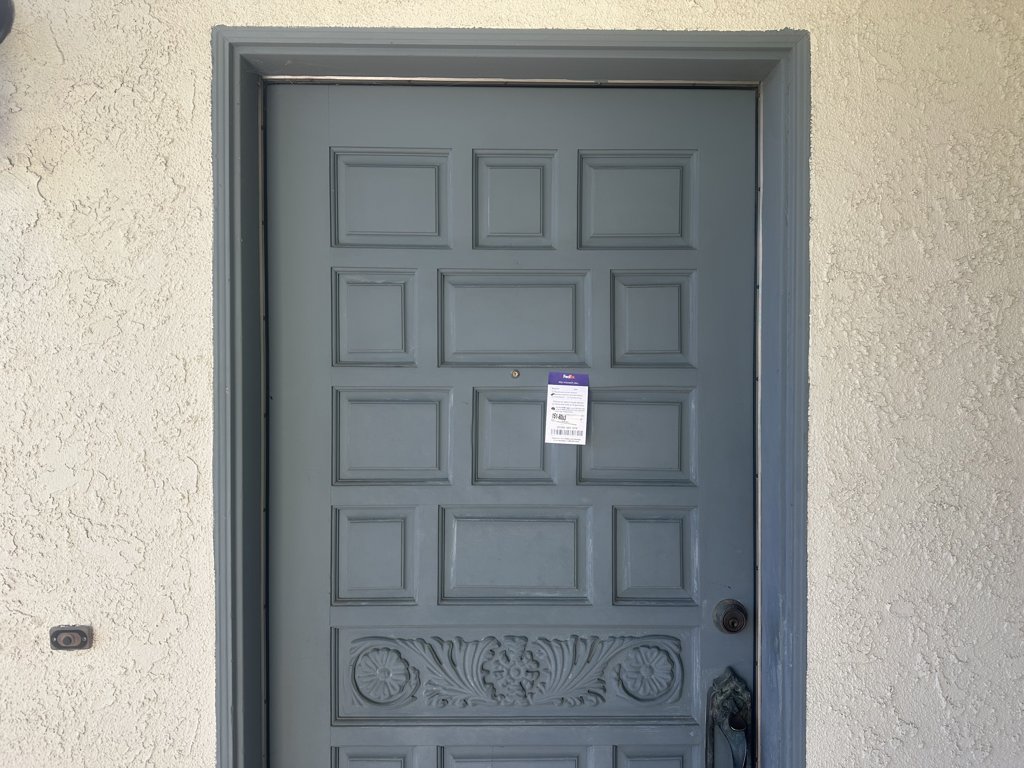
Delivery was quick – my wines arrived within a few days of ordering. Because it’s alcohol, someone 21 or older must be home to sign for the package. Somehow I missed the first delivery attempt and found a notice stuck to my front door. I turned on delivery alerts in my FedEx app, and the driver came back the next day, checked my ID, and I signed for the box. Once the alerts were on, I knew exactly when to be home, so it ended up being a seamless experience. The packaging was secure, and all six wine bottles arrived in perfect condition.
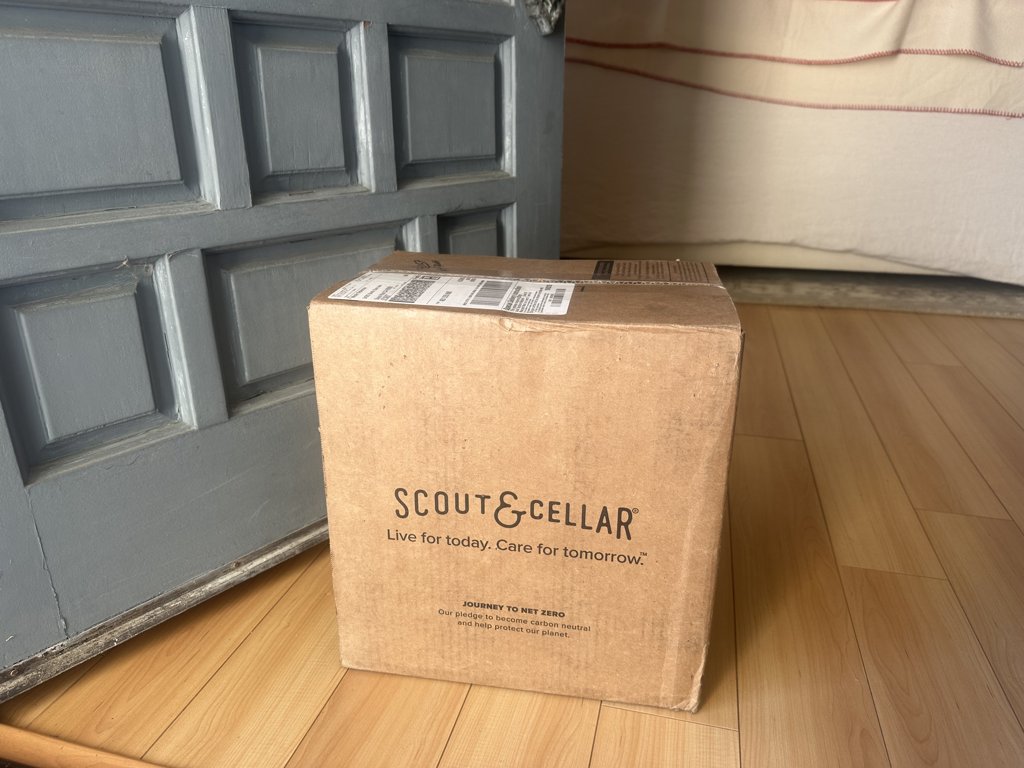
My tip: turn on carrier alerts as soon as you get your tracking number.
Scout & Cellar currently advertises free shipping on orders of six bottles or more. Otherwise, shipping varies by location, so be sure to select your state before ordering.
Is Scout & Cellar Worth It?
The three bottles reviewed here run $21 to $34. You can find conventional wines at those prices, and plenty of good ones for less. What you’re paying for here are the production standards and a level of transparency most labels don’t offer.
Scout & Cellar makes the most sense if you care about how your wine is grown and made, and you enjoy reading exactly what’s in the bottle before you pour it. If that transparency matters to you, it’s easy to try. Just order a few bottles online, no club commitment or consultant required, and see which labels you enjoy. The Etnico Sauvignon Blanc and Hushkeeper Cabernet Sauvignon are both a great place to start.


We partnered with FirstLeaf Wine Club to bring you this special offer: 6 wines for $39.95 + Free Shipping. All you have to do is Take the Quiz and let FirstLeaf take care of the rest.