


- Clean Wine vs. Organic Wine: What’s the Difference? - November 19, 2026
- The Best Places to Buy Spanish Wine Online in the U.S. - November 12, 2026
- Best White Wine Subscriptions: 4 Wine Clubs Actually Worth Joining - November 11, 2026
Let’s cut straight to the chase: clean wine and organic wine are not competing certifications, nor do they promise the same things.
The trouble with both categories is that they can be misinterpreted by manufacturers and consumers alike. An organic wine isn’t automatically free from all additives. Likewise, a “clean” wine isn’t automatically healthier for you.
The wine industry seems to be playing a game of buzzword bingo, where terms like natural, organic, clean, and sustainable are increasingly showing up on labels everywhere. But what do these terms actually promise? And, how much of that is verifiable?
Table of Contents
What is Clean Wine?
Unfortunately, there’s no one recognized nor universally agreed-upon definition. Each brand is largely free to establish its own criteria for what ‘clean’ means. It’s open to interpretation, so conceptually it is also malleable and can be altered to fit emerging market trends.
One producer might decide the ‘cleanest’ thing about a wine is how low-intervention it is, while another may focus on how few pesticides or artificial ingredients are present in the final product. Neither is wrong, but they aren’t exactly measuring the same things, either.
As it stands, the word ‘clean’ just doesn’t give me enough information about what’s actually in a bottle for any sense of trust to be established. And so, I went looking for alternative ‘cleanness’ standards to get as close as possible to a logical conclusion.
How Wine Retailers Define Their Own Standards
Quite a few wine retailers have something like this in place. Dry Farm Wines, for example, uses a strict independent testing system to check wines for residual sugars, alcohol content, and sulfites. For those curious, their published thresholds allow a maximum 1g/L residual sugar, 12.5%ABV or less, and a maximum of 75ppm of sulfites.
They also test for heavy metals in the wines they stock. I’ll applaud it, because it’s thorough and definitely does give consumers clearer criteria to consider when choosing wines based on residual sugar, alcohol content, and sulfite levels
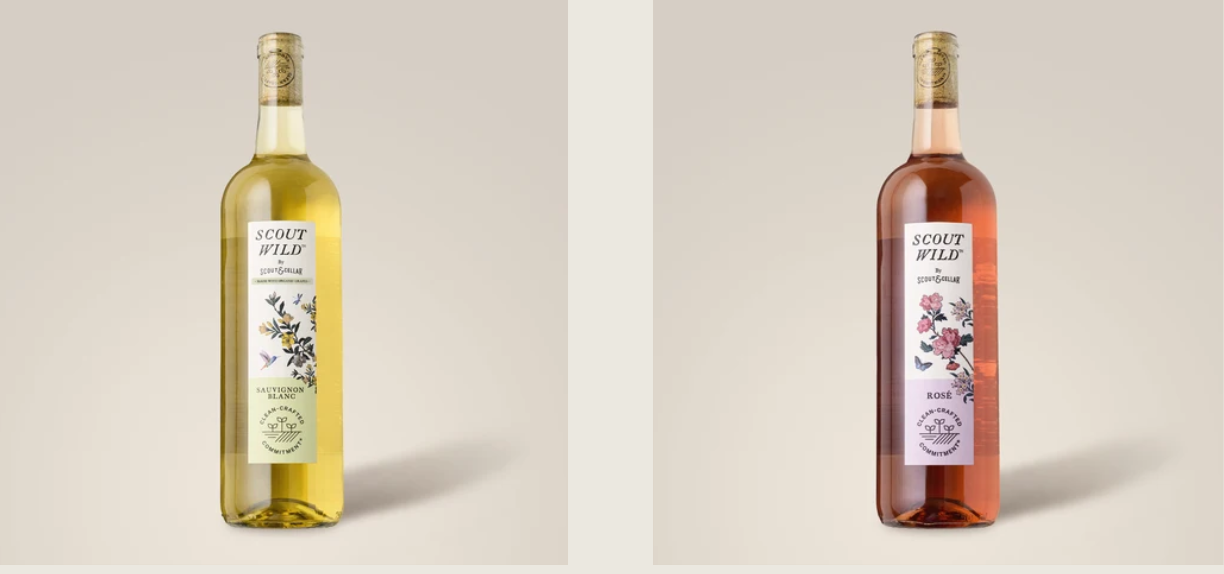
Elsewhere, Scout & Cellar adopts a slightly different approach to tackle the quandary of ‘clean’ with its trademarked Clean-Crafted Commitment. This one seems quite logical in the way that it is a proprietary standard (which they state goes beyond organic requirements) governing vineyard practices, ingredient control, and finished-product testing.
Under this umbrella, any wine they sell can’t contain any added sugar or artificial ingredients. Clean-Crafted wines must contain less than 150 ppm of sulfites, with levels confirmed through third-party testing. Why I’m particularly keen on this definition of clean is because the tests they’re referring to aren’t simply taken on trust. Independent laboratories test the wines against their criteria, which gives me a little more confidence about what’s in my admittedly oversized glass.
It’s still important to note that neither of these standards moonlight as an official certification. Both, then, are far more useful than an unsubstantiated marketing claim. With these, there is a clear set of standards to reference.
What Does Organic Wine Actually Mean?
Are you ready to be slightly-to-moderately frustrated? Okay, let’s do this.
Organic wine differs from clean wine in that it actually has a recognized legal definition, set out by the USDA’s ‘National Organic Program’. Sounds almost like this is going to be straightforward, doesn’t it? Alas, it isn’t!
The most important detail here is that there are two tiers to organic wine.
The key difference: Both categories require organic grapes, but USDA Organic wines must follow stricter production requirements, particularly regarding added sulfites.
As if that wasn’t maddening enough, there’s also a third category, ‘Made with Organic Ingredients.’ It’s a weird outlier in that the stipulation is that it must be made with a minimum of 70% organic ingredients, and so it isn’t the same as ‘Made with Organic Grapes.’
Given that sulfites can and do occur naturally during fermentation, organic wine will still contain sulfites. The rules here dictate that the winemaker can’t add any deliberately.
USDA Organic vs. Made with Organic Grapes: Key Differences
| USDA Organic | Made with Organic Grapes | |
| Grapes | 100% certified organic | 100% certified organic |
| Added sulfites | Not permitted | Permitted up to a maximum level of 100ppm |
| Other ingredients | Must comply with USDA requirements | Must comply with applicable USDA requirements |
| Label | Can display USDA Organic seal | Cannot display USDA Organic seal |
Added Sulfites vs. Naturally Occurring Sulfites
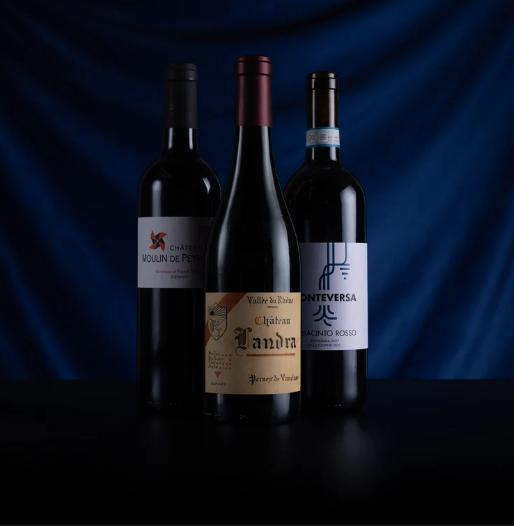
From what I’ve read, this seems to be the aspect of wine labeling that causes the most confusion.
Sulfites are sulfur-based compounds which occur naturally during the fermentation process. In that sense, there’s nothing inherently malicious or ‘dirty’ about them. Yeast, when it makes contact with the sugars present in grapes, will release small amounts. So, virtually any wine will have some level of sulfites present.
But there’s also a motive on the winemaker’s side to deliberately add in a little extra sulfur dioxide; protecting the wine against oxidation and microbial activity. Effectively, this practice will make the wine more stable and keep it fresh for longer, too.
I’ll admit the process of adding sulfites sounds a little strange at first, but it’s important to note that this practice doesn’t involve introducing some new, more tampered with form of sulfite. It’s actually the same general compound. And this is where the organic vs. made with organic grapes distinction becomes a little clearer: wines certified organic can only contain naturally occurring sulfites up to 10ppm, whereas ‘made with organic grapes’ can contain added sulfites up to 100ppm. That’s quite a difference, no?
Organic vs. Clean Wine: What Are You Really Paying For?
Both organic and clean labels will give us the warm and fuzzies when touted on a particularly pleasing bottle, yet they both offer very different forms of reassurance.
The fancy organic label gives you the peace of mind that you’re sipping on wine made to a regulated standard for agricultural practices and above-board winemaking processes.
The ‘clean’ category, by contrast, relies on each individual producer’s definition of the word. This can be a pro or a con, depending on your outlook. On one hand, it can be construed as frustratingly vague or even potentially meaningless. On the other hand it does allow for brands to go a step above by introducing additional standards and requirements.
A good example of the latter in action is Scout & Cellar’s ‘Clean-Crafted Commitment,’ which incorporates restrictions on added sugars, artificial ingredients, and pesticides, along with finished-wine testing. For me, transparency is key when assessing the purity, or cleanliness, of a wine. So, I’m also quite keen on their customer-facing Soil-to-Sip Report, which lays out how the individual bottles they sell were produced. Outside of the hunt for transparency, it’s also just a little bit of fun to pour a glass and read all about it as you enjoy it — or maybe that’s just me.
Several other brands out there take a similar approach to surfacing winemaking information to their clientele, too, like Dry Farm Wines, for example (although they focus heavily on lowering sulfites, sugar, and alcohol content).
Given that none of these individual brand approaches agree on what ‘clean’ really is, I’ll proffer that the one you should put the most faith in is the one that most closely aligns with what you find truly important. And, if that brand or producer can demonstrate that they can meet the standards you hold dear, you’ve won.
In the absence of a complete and absolute conclusion, I’ll end by suggesting that Organic is a useful starting point for understanding what’s in your glass. But clean can offer a little bit more if the brand is willing to lay out all of its cards in front of you.


We partnered with FirstLeaf Wine Club to bring you this special offer: 6 wines for $39.95 + Free Shipping. All you have to do is Take the Quiz and let FirstLeaf take care of the rest.