

- Best Keto Wines: Low-Carb Wines Worth Drinking - November 28, 2026
- Best Vegan Wine Brands: 4 Bottles and Brands Worth Trying - November 27, 2026
- Clean Wine vs. Organic Wine: What’s the Difference? - November 19, 2026
Good news! Following a low-carb diet doesn’t mean giving wine a miss. As it happens, plenty of dry wines are naturally low on the carb count, making them easier to slot into your plan than sweeter wines, beers, or cocktails.
Really, the most difficult part is knowing which wines get the hall pass. A typical wine label is unlikely to give you detailed information regarding the sugar and carbohydrate content in the bottle, and terms like “low-carb”, “low-sugar”, and “zero sugar” aren’t necessarily interchangeable. But if you want a logical, convenient way to narrow down your choices, there are some straightforward ways to go about it. Among them, choose brands that offer more nutritional information as part of their ethos.
Aside from nutrition-conscious brands, there are also quite a few wine styles we should be looking at. So, here’s where to start looking for wines that fit the keto lifestyle.
| Wine/Brand | Best for | Pricing | Things to Know |
| Scout & Cellar | Zero-sugar wines, ingredient transparency | Typically $20-30 per bottle. Discounts apply for members. | Clean-Crafted wines are made without added sugar. Zero sugar is a separate designation. Soil-to-Sip Report provides detailed ingredients |
| Dry Farm Wines | Low-sugar wine selection | Members pay around $31 per bottle for a 6-bottle order. Non-members pay more | Curated selections of independently tested wines. High ingredient transparency |
| FitVine | Familiar wines with low sugar content | $15.99 per bottle. Discounts may apply to larger orders | Offers familiar styles and publishes sugar content |
| LifeVine | Zero-sugar wines, nutritional information | $21.99 per bottle. 15% off orders of 6. 30% off orders of 12 | Provides nutritional information and testing details |
Table of Contents
What Makes a Wine Keto-Compatible?
The carbohydrate content in any bottle of wine will largely come from the amount of natural sugar in the grape it is made from. Given that fermentation is just yeast and sugar clashing to create alcohol, much of that sugar will be burned up in the process. In some wines, this will mean that there’s actually very little residual sugar leftover, meaning there’ll be negligible carbohydrates remaining too.
For this reason, dry wines are a pretty good go-to for the keto community. By contrast, sweeter wines have retained more sugar, so they can mostly be ruled out.
If we’re looking for a rule of thumb, a standard 5-ounce measure of dry red, white, or sparkling wine will likely contain about 2-4 grams of carbs, though even this figure can vary depending on the wine variety. Sweeter wines will contain far more.
As if that isn’t complicated enough, it’s also worth noting that carbs and sugar aren’t one and the same. Sugar is just one contributor to a wine’s carb content, so low-sugar wine isn’t necessarily carb-free. Overall, if you’re looking to maintain strict standards, look for wines with specific nutritional information rather than just relying on whether it’s marketed as dry or not.
A Few Tips for Finding Keto-Friendly Wines
- Look for dry wines: For those only loosely tracking their carb intake, it’s perfectly acceptable to just stick to enjoying dry reds, whites, and whatever else in moderation.
- Don’t rely on grape variety alone: Sauvignon Blancs and Cabernet Sauvignons may represent a logical starting point, but each winemaker’s unique processes can and will affect the carb count.
- Check nutritional information: For those strictly tracking carbs, it’s best to buy from brands that front their sugar and carb figures. Exact details are far more useful than vague marketing claims.
- Pay close attention to serving sizes: Oftentimes, brands list their carb and sugar content as it relates to each 5-ounce serving. If you don’t have one, it may be useful to purchase a glass where that measure is clearly marked.
- Don’t confuse zero sugar with zero carbs: They just aren’t the same thing, unfortunately. Sugar isn’t the only possible contributor to the overall carb content of any given wine.
Best Brands for Keto Wines
Though it’s useful to have a decent idea of which styles lend well to a keto lifestyle, it doesn’t quite remove all guesswork from the equation. So, if you’re out for certainty, these are a few brands that front their nutritional information, allowing you to carb count using real data.
Scout & Cellar

Scout & Cellar is my first suggestion for those seeking out wines made without additional sugar and a high level of transparency about what’s in your bottle.
One of the clear advantages of this brand is its Clean-Crafted Commitment ethos. It’s built around three core principles: grapes grown in healthy soil, straightforward winemaking — without additional sugar and artificial ingredients, and independent testing to ensure each wine meets these standards. On top of that, there’s also an internal taste and quality review.
But what do they actually sell?
Plenty, as it turns out. Any of their ‘Clean-Crafted’ wines will be made without added sugar, as well as having fewer than 150ppm sulfites. In terms of making sure a wine fits your standards, they also do this thing called a Soil-to-Sip Report. Depending on the bottle, this report will give you more info than you could possibly need about the wine, from fermentation to bottling — and, of course, nutritional information.
The only caution I can proffer is that while no added sugar is the brand standard, zero sugar is a separate category reserved only for wines that qualify. The good news is that they also have several of these in stock, including Dog Hunt Dove, a particularly pleasant (and keto-friendly) Californian Sauvignon Blanc.
Dry Farm Wines

Dry Farm Wines takes a slightly different approach, emphasizing sourcing only the wines that meet its in-house production and nutritional benchmarks. As an ethos, it is also big on low sugar, lower ABV levels, and independent testing as a means of verifying producer claims.
What this ends up looking like is that each of Dry Farm Wines’ bottles contains less than 1g of sugar per liter. To save you the math, this equates to each glass of wine averaging out at around 2 grams of carbs. Not bad, eh?
But what do they sell?
Well, you won’t necessarily find the familiar brands you’re accustomed to seeing in your local store. Instead, you’ll be greeted by carefully created selections containing bottles from smaller producers. Though you may have to take a guess as to what you’ll enjoy, there’s plenty to choose from, including reds, whites, rosés, and sparkling options.
For me, the only notable downside of shopping with Dry Farm Wines is that you’re generally buying into a selection rather than picking out the individual bottles that happen to catch your attention. For those who are actively seeking to explore new wines, great. For those a bit more particular about what they want, not so much.
FitVine
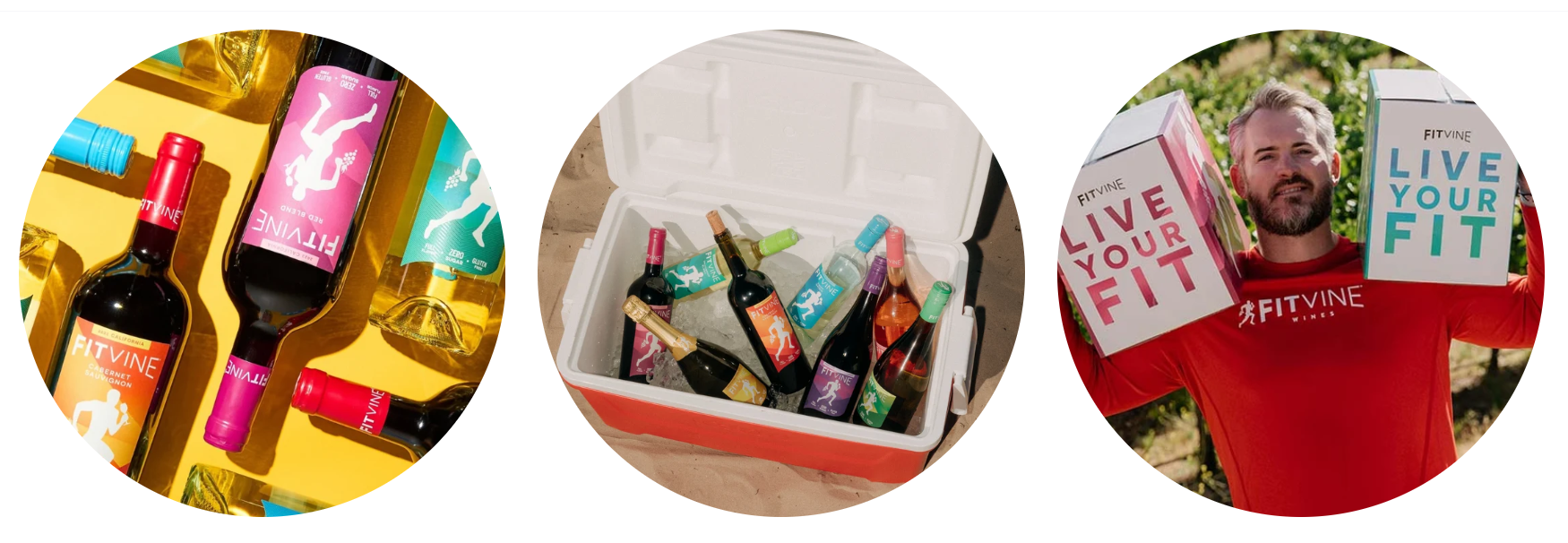
FitVine may well be the most well-known name in the low-sugar wine market, offering keto-friendly versions of all the classics: Chardonnay, Cabernet Sauvignon, Pinot Noir, Pinot Grigio, etc.
The brand also makes the claim that its wines contain less than a gram of sugar per liter — all without making any compromises when it comes to ABV. Instead, they embrace winemaking techniques that keep sugar to a minimum.
But what do they sell?
Admittedly, they don’t have the broadest range to choose from. However, if you’re willing to overlook that, they very much suit those looking for familiar grape varieties, don’t want to spend a small fortune, and prefer a brand that brings nutritional information to the fore.
One thing to note, however, is that low sugar doesn’t necessarily equate to low carb on every occasion. Make sure to check the provided figures for each bottle you intend to buy rather than putting all your faith into a brand’s sugar content average.
Lifevine

Last, but by no means least, Lifevine. Proving that there’s no shortage of keto-adjacent wine brands around, Lifevine also focuses on sourcing wines that are free from sugar, with nutritional information and independent testing details supplied for every bottle.
Its range includes all of the familiar varietals you would expect, such as Pinot Noir, Chardonnay, and Cabernet Sauvignon, each backed by detailed product pages covering production, ingredients, and nutritional information. There’s zero guesswork involved, too. Every bottle they have at the time of writing is boldly marked “Zero Sugar”, with nutrition figures verified by laboratory testing.
But what do they sell?
As an example of Lifevine’s dedication to the bit, it currently sells a Pinot Noir that lists zero grams of sugar for each 5-ounce serving. That said, its range isn’t all that diverse. There are currently only 8 separate bottles to choose from. Despite this, I would still consider them a useful jumping-off point for those seeking out familiar wines of low sugar content. It’s also a bonus to have detailed nutrition information readily available. Just keep in mind that low sugar doesn’t always equate to low carbs. It’s always worth checking those figures separately to make sure you’re barking up the right tree.
The Last Drop
I’ll be the first to admit that finding keto-friendly wines isn’t exactly a walk in the park. Thankfully, though, several winemakers and brands have anticipated the need for detailed nutritional information and acted on it. Between the brands listed above, there’s quite a range of options to choose from.
Ultimately, if you want to track your carb intake with 100% accuracy, it is still possible to enjoy yourself a little and have a glass with dinner.


We partnered with FirstLeaf Wine Club to bring you this special offer: 6 wines for $39.95 + Free Shipping. All you have to do is Take the Quiz and let FirstLeaf take care of the rest.