

- 3 Avaline Alternatives Worth Trying If You’re Looking for Something New - November 10, 2026
- Best Online Wine Stores for Riesling - November 8, 2026
- Selecting & Serving the Best Affordable Cabernet - November 1, 2026
Sometimes, the quest for the perfect bottle of wine runs much deeper than simply scouring for variations on a grape you enjoy. You might care to know a little more about how it’s made, who’s producing it, and what they’re adding in. If this describes you, there are plenty of interesting alternatives to Avaline out there, each bringing something unique to the table.
So, if you’re crying out for more choice, better access to independent winemakers, and a tangible sense that you can feel good about what’s in Sunday night’s bottle, here are three names worth taking down.
Table of Contents
Who or What Is Avaline?
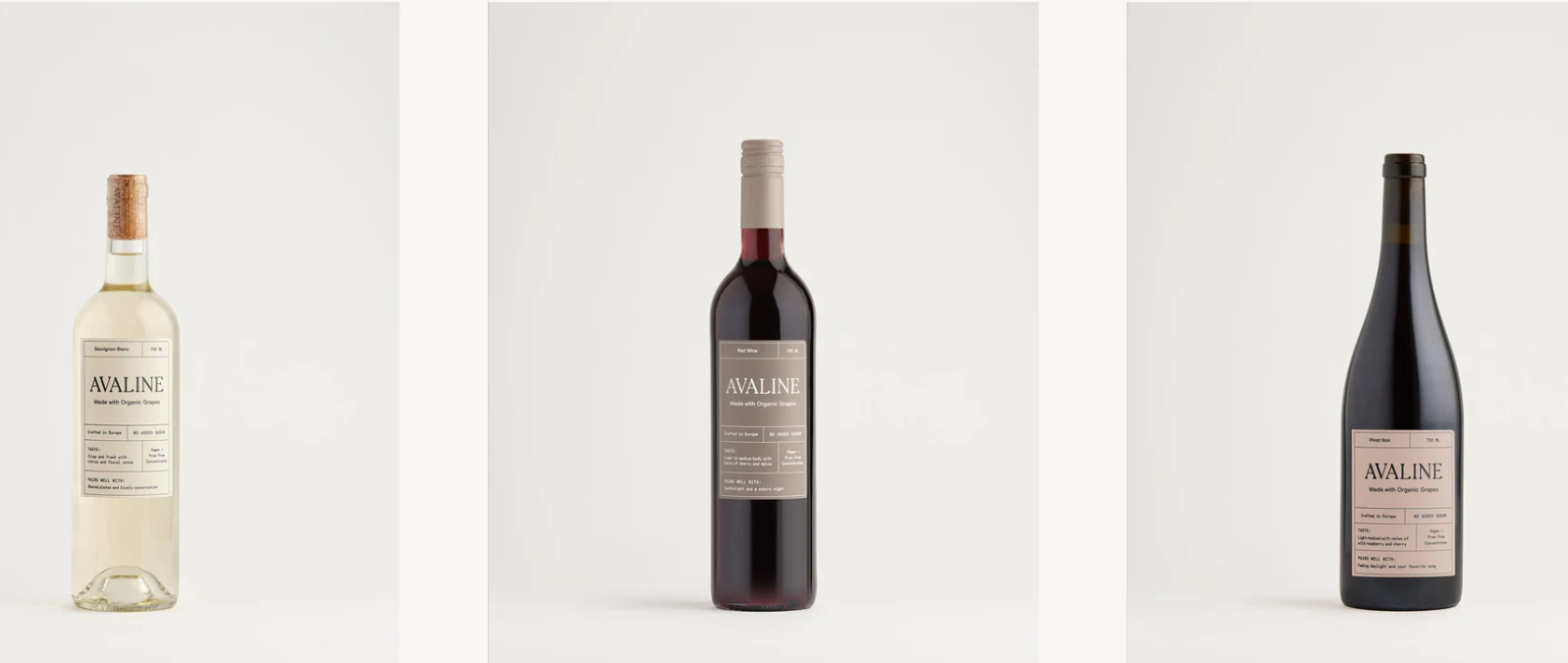
Founded in 2018 by Cameron Diaz (yes, that one) and Katherine Power, Avaline set out with the goal of demystifying the process of buying wine. Its range focuses on wines made without any dubious practices, like adding extra sugar to increase alcohol content or masking lackluster flavor using lactic acid. As such, they also endeavor to bring ingredient transparency to the customer.
However, it is worth noting that Avaline isn’t 100% additive-free. In its published ingredient list, you can find things like yeast nutrients, sulfites, and natural acids. Still, they deserve at least some recognition for making this kind of information more available to the everyday wine enthusiast.
Avaline Alternatives at a Glance
| Brand | Price | Offerings | Best For | Where to Buy |
| Scout & Cellar | Bottles approx. $11–$79, 10% subscription savings | Individual bottles, curated deliveries, flexible subscriptions | Independently tested wines, ingredient transparency, Clean-Crafted standards | Scout & Cellar |
| Dry Farm Wines | For six-bottle sets: $256 for non-members; $206 for members | Curated selections of every color; one-off buys possible | Strict standards for sulfites, sugars, and ABV; independent lab testing | Dry Farm Wines |
| Naked Wines | $40 monthly top-up; six-bottle set for approx. $150 | Independent makers and curated cases | Supporting smaller makers and discovering obscure bottles | Naked Wines |
Scout & Cellar: Taking Ingredient Transparency Seriously
If Avaline’s dedication to transparency appealed to you, switching to Scout & Cellar will feel like a natural, logical transition. This direct-to-consumer wine supplier has built much of its operational modus operandi around what it calls the “Clean-Crafted” approach—a set of standards they’re apparently passionate enough about to trademark! But what is it?
As I understand it, it’s a framework covering how wines are grown, produced, and tested, with an emphasis on sustainable farming practices and ingredient transparency. Basically, if you want to know as much as possible about what you’re drinking, they have your back.
It’s all part of their Clean-Crafted Commitment, which requires wines to be grown in healthy soil, avoiding synthetic pesticides, added sugars, and processing aids throughout winemaking. It sounds great in principle, but if you’re a skeptic like me, you’ll want to know how they keep on top of all this.
The answer is simple (but also likely expensive and time-consuming): testing.
Every prospective Scout & Cellar wine undergoes third-party testing for harsh chemicals. The brand allows a maximum of 150 parts per million (ppm) of sulfites in any bottle they stock. For context, the legal ceiling in the U.S. is generally around 350 ppm, while EU limits range from 150–400, depending on color and sugar content. Potential suppliers are also audited for their growing practices and ingredient standards.
There’s one distinction worth making before we continue: This “Clean-Crafted” nomenclature doesn’t necessarily mean “organic.” Some bottles hold USDA organic certifications, but others won’t, so pay close attention if that’s important to you.
If you want to learn even more about the behind-the-scenes work, the brand’s Soil-to-Sip Report lets you examine any bottle you’re eyeing up. It includes ingredient info and details about fermenting, aging, and bottling techniques. It’s not exactly that I’m a control freak about this stuff, but I’d rather have the information and not read it than vice versa, you know?
Buying Scout & Cellar Wines
Scout & Cellar has a fairly broad range to choose from, fortunately. You’ll find reds you’re familiar with, like your Merlots, Zinfandels, and Cabernet Sauvignons, alongside whites like Chardonnays and Pinot Grigios. There’s also plenty to browse in terms of sparkling and rosé wines. Prices vary, but everyday bottles can be picked up for as little as $11–$20. Naturally, the more premium options in their selection will set you back considerably more.
There’s also plenty of flexibility in how you can shop. You don’t have to sign up for anything to order. Individual bottles and some curated sets are available via the online shop. However, if you do want to take things further, the Scout Circle subscription can hook you up with curated sets of four, six, or 12 bottles at monthly, bimonthly, or quarterly intervals. Meanwhile, their Subscribe & Save option hands control of the contents and frequency of delivery over to you. Both of these subscriptions provide a 10% discount and free shipping to the customer and can be paused or canceled at your discretion.
Overall, this won’t be the cheapest option on this list, but if Avaline’s ingredient transparency and attention to detail appealed to you, this will feel like upping the ante.
Best for: Wine enthusiasts who value ingredient transparency and prefer clear information regarding how their wine is made.
Dry Farm Wines: For the Natural Wine Lovers
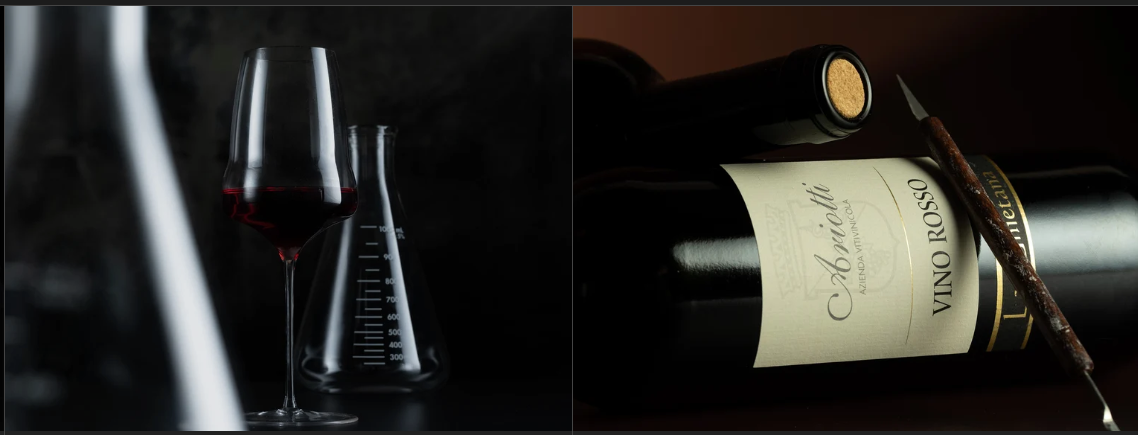
If Avaline drew you in because you gravitate toward wines with fewer additives and winemakers committed to transparency, this is definitely a name worth remembering. What’s particularly exciting about their approach to business is that they specifically track down small producers who deploy traditional, minimal-intervention techniques in their craft.
Like their competitors, Dry Farm Wines incorporates a system of rubrics and tests to ensure every single bottle they sell exceeds their strict standards. And not every bottle makes it. In fact, the odds are stacked against the producer, with only 234 of the 1,537 bottles they’ve evaluated this year featuring in their portfolio. Effectively, this means there are at least a few people out there fussier about wine than I am—the difference being that they’re at least doing it for some sense of greater good.
They’re screening for all sorts of heavy metals, pesticides, and herbicides, on top of establishing clearly defined limits regarding what a “good” wine should contain. In this case, it’s a maximum of one gram of residual sugar per liter, no more than 12.5% ABV, and 75 ppm of sulfites or fewer. Easy, right?
There’s an environmental element to their efforts, too. For example, they avoid vineyards using artificial irrigation, instead favoring vineyards where roots search deeper for the water they need. Because of this, you can be sure every grower they work with is working as closely as possible with their local environment.
Buying Dry Farm Wines
Like the other options here, the buying experience is well thought out, though there’s definitely more of a lean toward curated selections over individual bottle shopping. You’ll find a carefully curated selection of all the old favorites, ranging from Italian Pinot Grigios to the smoothest of Bordeaux reds, with rosé and sparkling options dotted around, too. There’s even some orange wine available, which is very in vogue at the moment!
In terms of pricing, Dry Farm Wines is a little pricier than others, but that’s to be expected, considering the ethos of cooperating with small producers. Still, a six-bottle red or white selection can be picked up for as little as $256, or $206 for members. That works out at roughly $34–$43 per bottle.
Though there are benefits to signing up for a membership, it’s not an absolute necessity. Really, the incentive for doing so is that members get 20% off, access to exclusive offers, and the ability to customize their selections. As with any decent membership, it can be discontinued at any time. One thing worth knowing, however, is that this isn’t really the place to shop if you’re looking to pop in for a single bottle. Dry Farm Wines deals mostly in boxes of six or 12, with the company selling exclusively online.
Finally, Dry Farm Wines is quite picky about who they choose to work with. Perhaps as a direct result, they don’t quite have the depth of selection that Avaline or Scout & Cellar does. This is fine if you trust the process and the research behind their method; not so much if you’re a fan of the selection a more conventional wine retailer promises.
Best for: Wine drinkers with a keen interest in organic and biodynamic farming, low-intervention winemaking, and strict limits on sugar and sulfites.
Naked Wines: Supporting the Little Guys
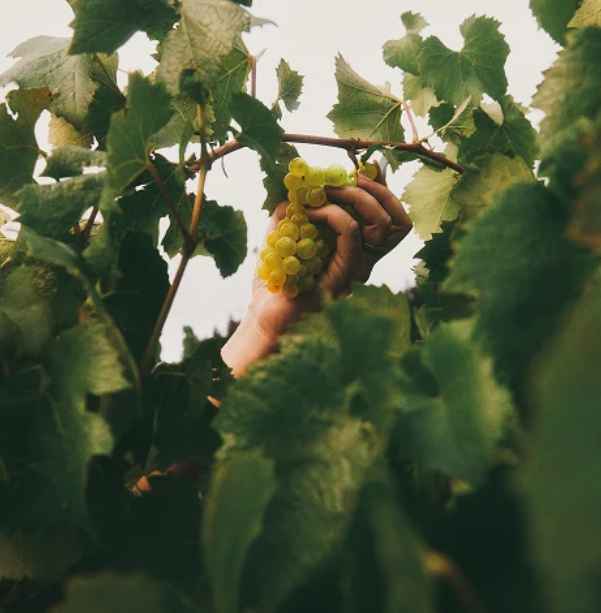
Naked Wines is hard to slot into any list like this, as what they do is a little different from your average supplier.
Rather than simply sourcing and stocking bottles that align with their core values and business sense, Naked works directly with independent winemakers, providing them funding that helps them bolster their craft. What I particularly like about this as an Avaline alternative is that it focuses on the business ethics issue that isn’t really addressed often.
The way it works is that subscribers to their “Angel” program end up financing smaller producers out there. These, in turn, manufacture wines for the Naked Wines community. This Angel scheme isn’t a typical membership, either. Subscribers pay $40 into it every month, with that credit accessible at any time to order bottles of their choice. For this monthly fee, the subscriber also gains access to exclusive wines and discounted prices.
Buying Naked Wines
As luck would have it, Naked Wine has quite the large selection! They’ve made sure to work with small producers of pretty much anything the everyday customer would recognize and want access to, so there’s your usual range of everything from Pinot Noir to Chardonnay, but there are also quite a few regional varieties and unusual blends. As is the norm, price can vary, but the brand seems to place an emphasis on a $12–$15 per-bottle sweet spot.
You don’t need to commit to a set delivery schedule, either. You can just browse the online shop and choose bottles when you actually want them, or you can save your credit for larger orders for, say, a special event. For me, the real novelty is that the $40 monthly contribution to the program doesn’t function as a fee, per se. It’s best considered as something akin to wine dollars—dollars you can spend however you see fit. The contribution can also be canceled or paused whenever you want. At the time of writing, Naked Wines operates solely as an online retailer, so I wouldn’t expect to encounter their bottles on the shelves elsewhere.
If your entire reason for looking for an Avaline alternative is ingredient transparency, you will likely end up doing your own research to maintain certain standards, unfortunately. That said, smaller producers do tend to use fewer additives, so you may naturally find yourself barking up the right, um, vine.
Best for: Wine enthusiasts looking to connect with independent winemakers, as well as those who appreciate a flexible and novel membership model.
So, Which Avaline Alternative Is Best?
If only it were so easy that I could choose one that covered every single base absolutely. Unfortunately, we’re not quite there yet, but we are moving in that direction.
Scout & Cellar is probably the strongest choice for those into ingredient quality and transparency, while Dry Farm Wines will appeal to those interested in reduced sulfites, lower sugars, and biodynamic farming. Meanwhile, Naked Wines offers something entirely different, with its focus on supporting independent winemakers via a monthly subscription.
Ultimately, there’s no singular approach to buying wine that works for everyone. Whether your priority is knowing every element in your glass, supporting smaller businesses, or simply cutting back on sugars and sulfites, the best choice is the one that sits right with you.


We partnered with FirstLeaf Wine Club to bring you this special offer: 6 wines for $39.95 + Free Shipping. All you have to do is Take the Quiz and let FirstLeaf take care of the rest.