

- The Best Red Blend Wine Online: A Buyer’s Guide by Style and Price - August 27, 2026
- Best Wine Under $30 (What to Buy and How to Stop Guessing) - August 24, 2026
Red blends are easy to love and span a wide range of flavors, regions, and prices. There are countless great bottles here to be discovered and enjoyed… once you know what to look for, that is.
But with an understanding of what separates one style from another, picking the right bottle online gets a lot more intuitive and enjoyable.
So read on for most everything you should know in order to find the best red blend online, from what a blend is to some of my favorite bottles and where to find them.
Table of Contents
Why Blends?
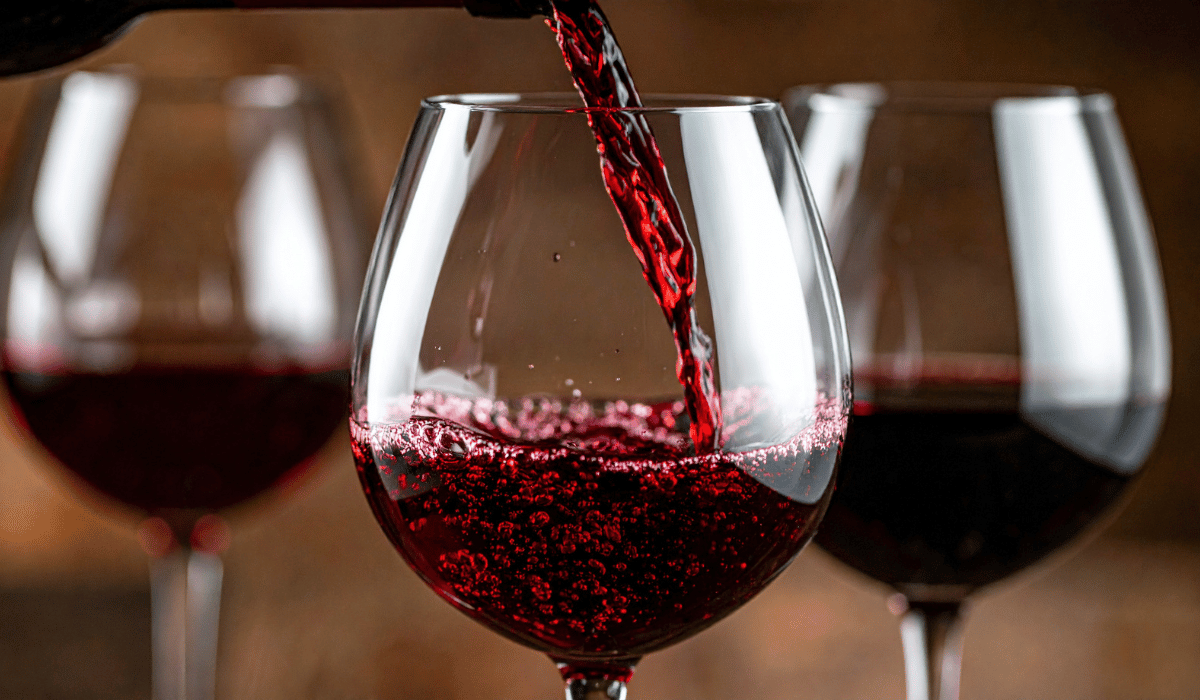
A red blend is a wine made from more than one red grape variety, with different grapes bringing different things to each glass.
One might offer deep color and dryness, another could bring softness and ripe fruit flavors, and a third may add acidity or complex aromas. A skilled winemaker layers these qualities to build something more interesting than any single grape could deliver alone.
These blends span a very wide range, with blending guidelines varying dramatically by where the wine is made. In France’s Bordeaux and Rhône regions, for example, appellation laws dictate which grapes can be used and in what proportions. In the United States, Chile, Australia, and most of the New World, winemakers have near-complete freedom to blend however they choose.
How to Read a Red Blend Label Online
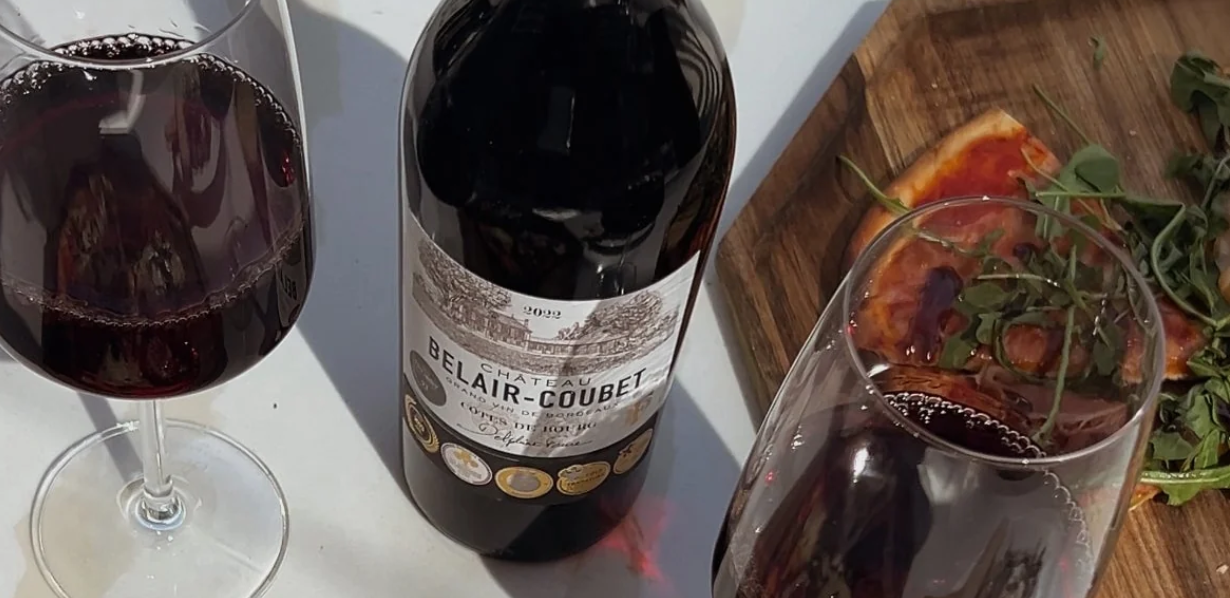
When you’re buying wine in a store, you can ask someone for help, and you may even be able to try a taste right then and there. But online, your only resources are the product page and however much research you’re willing to do before clicking “add to cart.”
So, first things first, let me walk you through what I look for when I shop for red blends online.
1. Start with the Grape Composition
Not every product page breaks down the blend by percentage, but when it does, this can tell you a lot about which variety is primarily responsible for the flavor.
For example, a Cabernet-dominant blend will typically be darker, more structured (meaning firmer tannins and a more defined shape on the palate), and benefit from some time after opening. A Grenache-heavy bottle tends toward brighter red fruit, softer tannins (which means it’s a smoother finish), and more immediate drinkability.
2. Look at the Region
Region is a flavor signal as much as it is a geographic fact. A Grenache-Syrah blend from France’s Southern Rhône will taste noticeably different from one made on California’s Central Coast, even with the same grapes, and that diversity is one of the best things about wine.
3. Take a Close Look at the Tasting Notes
The components listed in the tasting notes tell you more than just flavor: Dark fruit notes like blackberry, plum, and cassis generally signal a fuller, richer, more tannic wine. Red fruit like raspberry, red cherry, and pomegranate tend to offer lighter structure and brighter acidity. Earthy or mineral notes almost always remind me of a savory, Old World profile.
The Red Blend Styles Worth Knowing

The red blend category sounds like one category, but in reality, there are a few specific styles (also known as families) that are all considered red blends. Knowing the major style families before you shop makes it considerably easier to zero in on what you’re looking for.
Bordeaux-Style Blends
Bordeaux-style blends are built on Cabernet Sauvignon, Merlot, and Cabernet Franc, often with smaller amounts of Petit Verdot or Malbec to balance out the flavors.
These tend to be the structured, serious bottles, and you can typically expect:
- Rich, ripe aromas of dark plum and blackcurrant
- Firm tannins that grip the palate and give the wine a drying, mouth-coating feel
- A lasting finish that pairs well with red meat, lamb, and aged cheeses
They’re made in both France and the New World, typically ranging from $15 to the $50s and beyond.
Rhône-Style and GSM Blends
Rhône-style and GSM blends center on Grenache, Syrah, and Mourvèdre grapes:
- Grenache brings bright red fruit and warmth
- Syrah adds depth and a savory, peppery edge
- Mourvèdre contributes structure and earthy complexity
These wines are often more fragrant and pair well with a wider range of foods than a Bordeaux-style bottle. You can find many quality options in the $12 to $35 range.
California-Style Red Blends
California-style red blends tend to be richer, softer, and more immediately approachable. The tannins are softer, so you get far less of that mouth-puckering grip:
- Ripe dark fruit flavors like jammy blackberry and black plum
- Subtle flavors of vanilla and sweet spice from oak aging and tannins
- So smooth that you can enjoy even without a food pairing
These are the crowd-pleasers, most of them landing between $10 and $30.
Old World Blends
Old World blends from Italy, Spain, and Portugal are where the wine tends to get the most food-driven and savory.
Think dried herbs, earthy depth, and tannins built for the dinner table:
- Italian blends often feature Sangiovese, which brings a firm acidity that makes food taste better alongside it
- Spanish options lean on Tempranillo or Garnacha to add complexity and build a flavor that evolves with each glass
- Portuguese blends draw from grapes like Castelão and Trincadeira, known for contributing to a smoother finish
These are some of my favorites because they deliver exceptional value, with quality bottles regularly coming in under $20.
The Best Red Blend Wine Online by Price
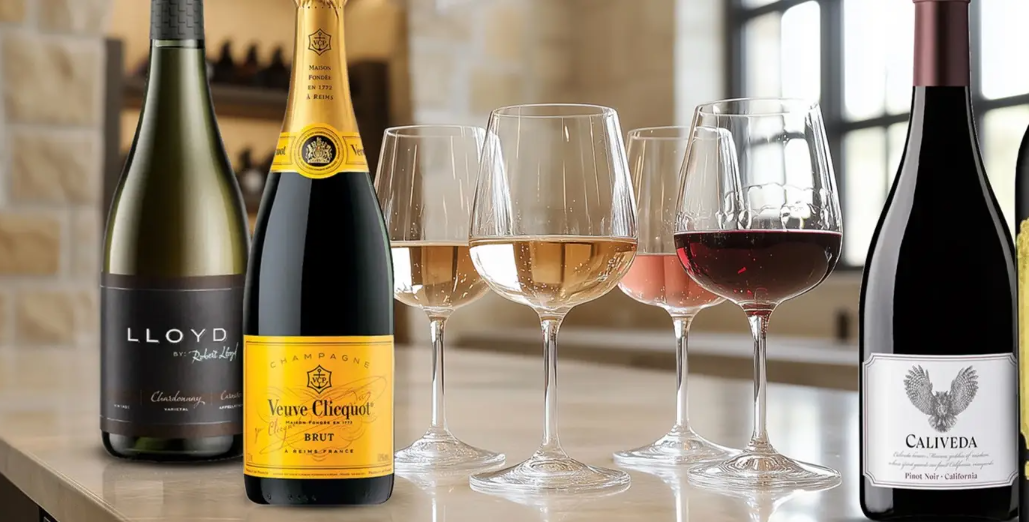
Now that you have a solid foundation of what’s behind the label, here are my current favorites.
Under $15 (Everyday Pours)
These are easy picks that you don’t need to age or over-analyze; they’re the ones you pull out when you want to make a weeknight feel more intentional or special.
My first pick is the 2024 Terras Lusas Red Blend, currently priced at $14.99. The 2023 vintage took silver at the 2025 TEXSOM International Wine Awards, and I’m always glad to see recognition like that at this price point! This one comes from Portugal’s Alentejo region, an area that’s built its reputation on traditional Portuguese grapes like Castelão, Trincadeira, and Aragonez (the local name for Tempranillo) — varieties that add real richness and layered flavors without demanding a steep price tag. It opens with concentrated wild berry and a touch of white pepper before finishing with a smooth dark chocolate note. Pair it with grilled pork tenderloin, herb-roasted chicken, or a savory mushroom risotto.
In a close second is the No Curfew by Amici Red Blend 2024, priced at $14.97. This is a California blend of Zinfandel, Syrah, Petite Sirah, and Malbec that delivers what I consider “classic” red blend flavors — boysenberry, red licorice, and baking spice. It’s always an easy crowd-pleaser, in my experience. Serve it with classic favorites like pasta with meat sauce or pulled pork sandwiches.
$15 to $25 (My Preferred Sweet Spot)
I like this price range for high-quality picks that don’t hurt my wallet, not just from traditional online retailers but also providers that prioritize direct-from-winery sourcing to save money.
First up here is the 2023 Montañero Private Reserve Red Blend, available for $17.99. The composition includes Carménère and Syrah in equal parts from Chile’s Maule Valley, and the flavor starts as ripe dark fruit with a touch of warm spice, then an unexpected hazelnut aroma as you sip. This one is medium-bodied, velvety, and just rich enough to make it a perfect pairing for grilled red meat, a hearty pasta, or a generous charcuterie spread.
I also highly recommend the 2024 L’Artisan by Bruno Lafon Cinsault-Grenache, priced at $20.99. This one comes from old-vine Cinsault and Grenache grown in the sun-weathered hills of Languedoc in southern France. There’s blackberry preserves with a hint of anise and cinnamon, all carried on a smooth, satiny texture with a bit of that mineral edge to keep every sip feeling fresh, and it manages to be rich without ever feeling heavy. I’d pour it alongside grilled meats, roasted vegetables, or just a laid-back evening with no particular agenda.
$25 to $40 (Saturday Night Bottles)
At this range, you can really start to taste the winemaker’s decisions, such as better fruit sourcing and a more nuanced character. They’re bottles that reward a little more attention.
First, I’d point you toward the Orin Swift Sign of the Times Cabernet Blend 2023, available for $29.99. Dave Phinney is a California winemaker known for building blends that taste significantly more expensive than they are, and Sign of the Times is a great example of that. Enjoy this one with a ribeye or a slow-braised lamb shank, and it will absolutely hold its own.
The other bottle I can’t leave out of this tier is the Sandlands Red Table Wine Lodi 2024, priced at $33.99. Winemaker Tegan Passalacqua sources this blend from three Lodi vineyards whose vines were planted between 1886 and 1915, and that heritage really does come through in the glass. Equal thirds of Zinfandel, Cinsault, and Carignane create a blend that tastes almost nothing like a typical California red. It’s got a bit of mineral to it, with black cherry, earthiness, and a floral note that lasts and lasts, especially if you serve it with a bright, herby Mediterranean dish.
Where to Find the Best Red Blend Online
Knowing which bottle you want is only half of the equation. Where you shop determines what you have access to, how much information you can see before choosing, and what kind of satisfaction guarantee you can fall back on if something doesn’t quite land.
Wine.com is where I go when I generally know what I’m looking for. Their red blend section lets you filter by style, region, and price, and each product page showcases professional reviews from outlets like Vinous and Wine Enthusiast alongside the winemaker’s own notes! I love getting different perspectives on the same bottle before committing. Their StewardShip membership covers free standard shipping on orders over $75 for a flat annual fee, with a discounted $12 rate on smaller orders. Returns are accepted within a short window after delivery, with your choice of account credit or a refund.
Total Wine & More is worth bookmarking for moments when time is of the essence. Express Delivery is available in select areas and can get a bottle to you in under an hour, plus their selection is fairly broad. You can find solid options at most price points without having to be a wine expert yourself. Buying at their volume keeps shelf prices competitive across the board, and while returns are a bit more limited here, their stated goal is that you’re satisfied with the order either way.
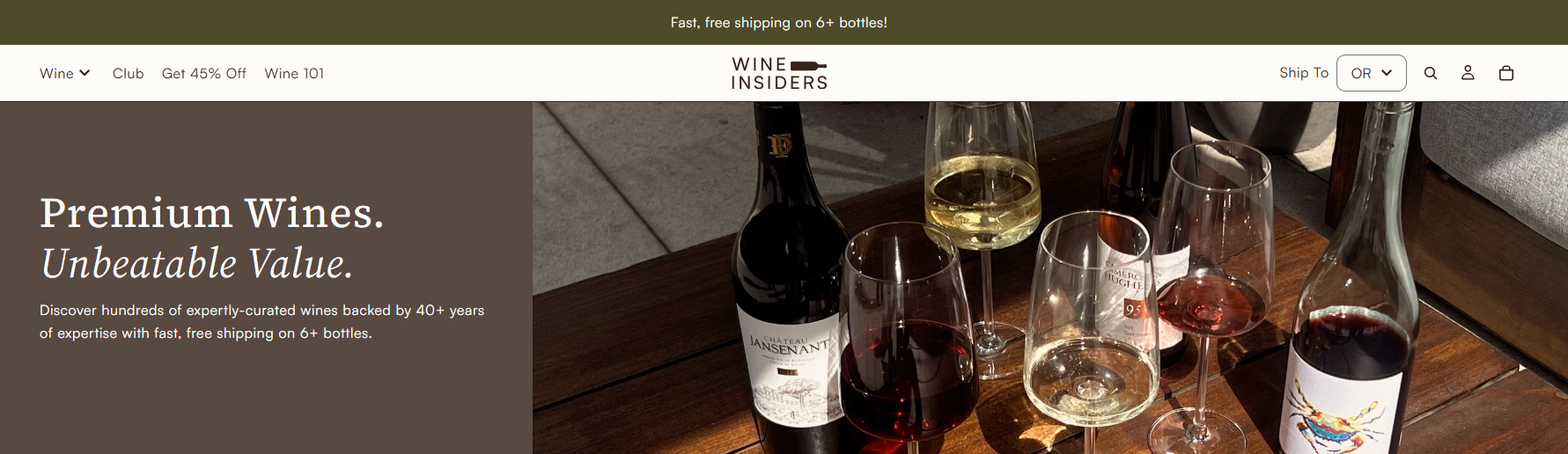
Wine Insiders is where I’d direct anyone who isn’t quite ready to choose from thousands of different wines. Their red blend catalog has been tasted and approved by a team of sommeliers and winemakers, and every option includes details about body, sweetness, and tasting notes, right on the product page. They source directly from wineries, which keeps most bottles under $25, and their Perfect Pour Promise covers you with a full refund if something misses the mark.
The Right Red Blend for Your Palate Is Closer Than You Think
Red blends reward a willingness to experiment, and when you buy them online, you can access styles and regions that rarely make it to a grocery store shelf!
I suggest you start in the under-$15 range if you’re still building your preferences. Start browsing between $15 and $25 for some surprisingly good quality wines at affordable prices. Head straight to the $25 to $40 tier if you want to see what the category really has to offer.
But at the end of the day, the best red blend wine online for you is simply the one that fits the moment. And considering that some reputable online retailers even offer a solid money-back guarantee, the only real risk is finding something you like so much that you reach the bottom of the bottle a little sooner than expected.
Frequently Asked Questions
What is the difference between a red blend and a single varietal wine?
A single varietal wine is made primarily from one grape (though in the U.S., a wine can be legally labeled as such with as little as 75% of that grape in the bottle). A red blend intentionally combines two or more varieties to create balance, complexity, or a specific flavor profile.
The advantage of blending is that the winemaker draws on the best qualities of each grape: structure from one, ripe fruit from another, and acidity or aromatics from a third. They can craft a flavor profile more interesting than any single variety could deliver alone.
What are the most popular red blend styles?
The four most recognizable styles are:
- Bordeaux-style blends (Cabernet Sauvignon, Merlot, and Cabernet Franc)
- Rhône-style or GSM blends (Grenache, Syrah, and Mourvèdre)
- California-style red blends (typically Zinfandel, Petite Sirah, Syrah, and Cabernet Sauvignon)
- Old World blends (typically Sangiovese, Tempranillo, Garnacha, and Castelão)
Each style tastes quite different from the others, which is why I highly recommend checking the style family anytime you’re shopping for the best red blend wine online.
What should I look for when buying red blend wine online?
Start with the grape composition if it’s listed, since this tells you which specific variety is driving the flavor. From there, check the region, since the same grapes grown in different climates taste very different. Tasting note information can tell you more than you might expect, too: “dark fruit” signals richness and structure, while “red fruit” points to lighter body and higher acidity. If you’re unsure whether you’ll like a wine, look for a money-back guarantee so that you can try a bottle without having to worry too much about not liking it.


We partnered with FirstLeaf Wine Club to bring you this special offer: 6 wines for $39.95 + Free Shipping. All you have to do is Take the Quiz and let FirstLeaf take care of the rest.