
- Wine Home Delivery: The Best Ways to Get Wine Delivered to Your Door - November 1, 2026
- Best Sugar-Free, Sulfite-Free Wine: Brands Worth Buying in 2026 - November 1, 2026
- Scout & Cellar Wine Review: Three Zero Sugar Wines, Delivery, and What “Clean-Crafted” Actually Means - October 29, 2026
If you’re searching for sugar-free, sulfite-free wine, the first thing you need to know is that a completely sulfite-free wine doesn’t exist. Sulfites are a natural byproduct of fermentation, so every bottle carries at least a trace amount of sulfites. With this in mind, the more useful goal is to seek out wine that’s low in sulfites, made with little or no added sulfites, and produced without added sugar.
That’s a narrower scope than what wines marketed as “clean wine” generally offer. U.S. wine labels are not required to list ingredients, sugar content, or exact sulfite levels. So, the brands worth seeking out are the ones that publish clear standards and verify them with independent lab testing.
Below, we’ll compare five brands on the same four points: sugar, sulfite levels, testing, and price.
Table of Contents
Stop Looking for “Sulfite-Free” or “Sugar-Free” Wine
During alcoholic fermentation, yeast consumes sugars naturally found in grapes and converts them into alcohol while producing several byproducts, including sulfur dioxide. Many winemakers also add sulfites prior to bottling to protect the wine from oxidation and spoilage. But wine will still contain sulfites even when a winemaker adds none prior to bottling.
U.S. regulations allow up to 350 parts per million (ppm) of sulfites in wine, and any wine above 10 ppm must say “contains sulfites” on the label. That’s why even no-added-sulfite bottles still carry the notice on the label.
When you’re shopping for wine, instead of hunting for sulfite-free, look for:
- A published sulfite ceiling, ideally well below 350 ppm
- “No added sulfites” or “minimal sulfites” language backed by specifics
- Third-party testing that confirms the numbers
The same logic applies to sugar. “No added sugar” means nothing was added during winemaking. “Zero sugar” usually refers to residual sugar, the natural grape sugar left over after fermentation. The alcohol level, or ABV, on a wine label can also give you a general idea of the residual sugar in the wine. Lower-ABV wines of around 10% to 12% may indicate some level of residual sugar, whereas higher ABV wines from 13% to 16% tend to indicate a wine that has been fermented dry. This is a general rule of thumb to help you while shopping the wine aisle. However, there are always exceptions to the rule.
If you want to be sure you’re purchasing a low-sulfite, zero-sugar, or low-sugar wine, check the brand standards or purchase from one of the following brands.
How We Compared These Brands
Each wine brand is evaluated on the same four criteria:
- Sugar: Is sugar added, and is residual sugar measured?
- Sulfites: Is there a published limit, and how low is it?
- Testing: Does an independent lab verify the wine, and for what criteria?
- Price: What does a bottle set or membership cost as of October 2026?
Standards and prices come from each brand’s website and can change, so double check before you order.
| Brand | Sugar | Sulfites | Testing | Pricing |
| Scout & Cellar | No added sugar; select Zero Sugar wines | Fewer than 150 ppm | Third-party testing for 175+ pesticides and sulfites | Scout Circle Wine Club: $99 for four bottles; $129 for six bottles; $259 for 12 bottles Bottles: $11–$49 (10% off for members) |
| Avaline | Still wines fermented dry; Prosecco with added organic beet sugar | Fewer than 100 ppm | Ingredient and nutrition labels; no lab program published | Wine Club: Build a box of 12 bottles for 15% offBottles: $24–$35 |
| Dry Farm Wines | 1 g/L or less residual sugar | 75 ppm or fewer | Third-party testing for sugar, sulfites, alcohol, mold, heavy metals | Club members: $206 for six bottles; $384 for 12 bottlesNon-members: $256 for six bottles; $481 for 12 bottles |
| MYSA Natural Wine | No added sugar; residual sugar not published | Minimal or none added; no set ceiling | No lab program published | Mixed Wine Club: $90 for three bottles; $165 for six bottles; $300 for 12 bottlesOrange, Red, or White Wine Clubs: $130 for four bottlesBottles: $16–$139 |
| Lifevine Wines | Less than 1 g per 5-oz serving | No limit published | ISO 17025 lab, 200+ contaminants | Wine Club: 15% off six bottles; 30% off 12 bottles Bottles: $21.99 |
Scout & Cellar: Lab-Tested, Transparent Winemaking
Founded in 2017 by Sarah Shadownix, Scout & Cellar builds every wine around its proprietary Clean-Crafted Commitment, a standard covering how grapes are farmed, what goes into the bottle, and how the finished wine is tested.
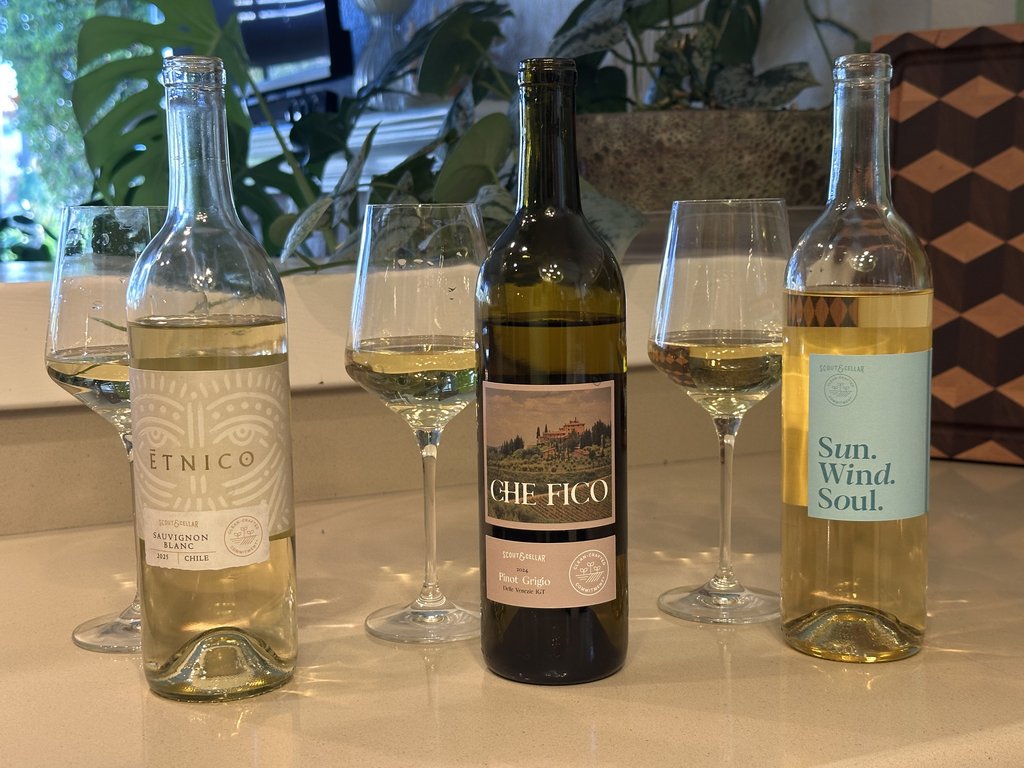
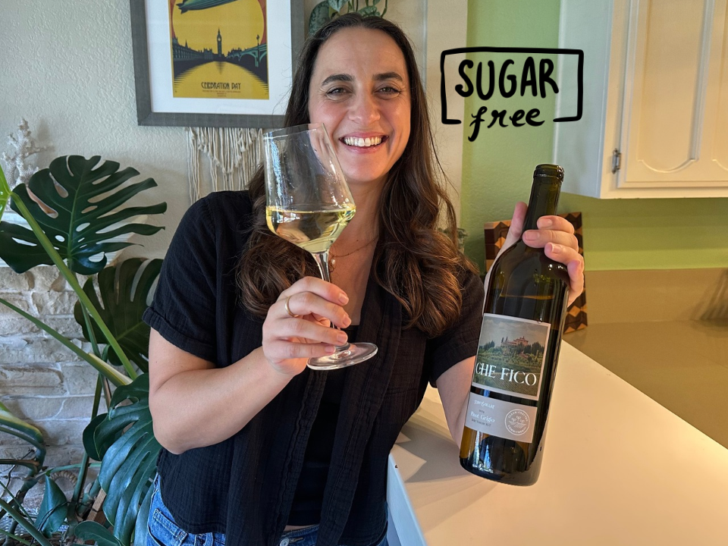
Sugar: Every Clean-Crafted wine is made with no added sugar and no artificial ingredients. Select bottles also carry a separate Zero Sugar designation, listed as a shoppable collection on their website.
Sulfites: The brand-wide standard is less than 150 ppm, well under the legal limit, confirmed by third-party, independent lab testing.
Testing: Synthetic pesticides are prohibited by the brand, and each wine is lab-tested for sulfites and 175+ commonly used pesticides, including glyphosate. Wines also pass an internal taste review involving in-house sensory testing to ensure the wine tastes as intended. Bottle labels and the Soil-to-Sip Report outline ingredients, nutrition, fermentation, aging, and bottling.
Price: Buy bottles à la carte from $11 to $49 each, try a curated set, or join Scout Circle, starting at $99 for four bottles ($129 for six, $259 for 12). All club orders get free shipping, as does any order of six bottles or more. The Subscribe & Save feature allows you to reorder your own favorite wine picks on a cadence that works for you, from monthly to bimonthly or quarterly.
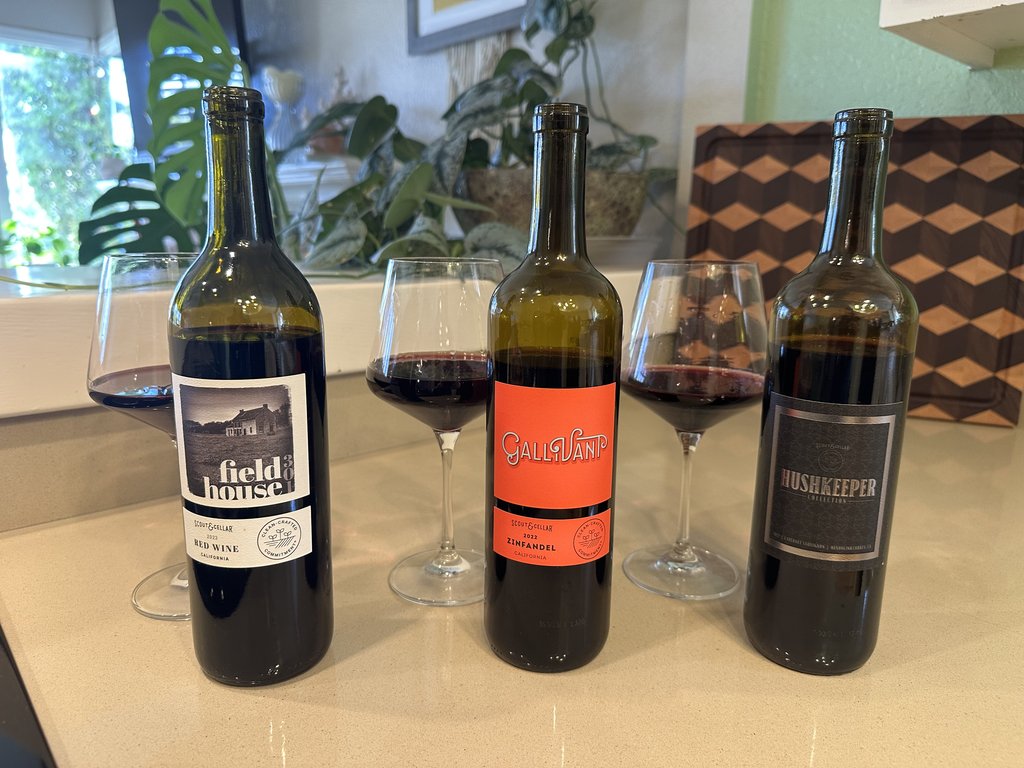
Best For: Shoppers who want full transparency behind a bottle, from vineyard to label.
Avaline: Easy Access to Organic Wines
Co-founded by Cameron Diaz and Katherine Power, Avaline makes wine from certified organic European grapes and lists what goes into each bottle on the label. You can order online or find these wines at retailers near you.
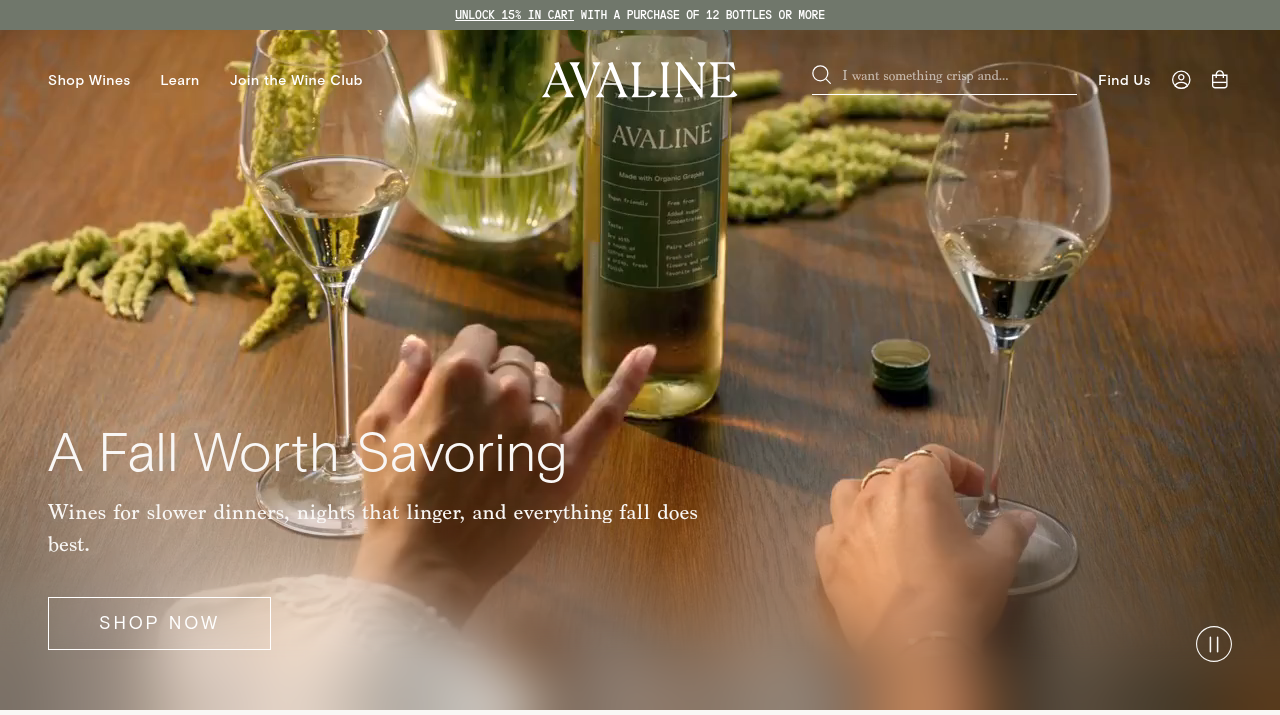
Sugar: Most Avaline wines are fermented fully dry, and the brand describes them as zero sugar and free from additives. The exception is the Prosecco, which includes a small amount of organic beet sugar.
Sulfites: Avaline keeps sulfites under 100 ppm and lists them as ingredients alongside yeast and natural acids.
Testing: Avaline leans on label transparency rather than published lab results. Ingredients and serving facts appear on every bottle, but the brand doesn’t describe a third-party testing program on its site, so you’re relying on its own disclosures.
Price: Individual bottles run around $24 to $35.The Welcome Set is $159 for six bottles, and orders over $150 ship for free, while the 12-bottle wine club takes 15% off and provides free shipping.
Best For: Everyday organic wine with a low sulfite ceiling, no added sugar, and easy retail access.
Dry Farm Wines: Lowest Published Sulfite Limit
Dry Farm Wines curates artisan wines from small European family farms that dry farm their vineyards, use native yeast, and skip pesticides and herbicides. Every bottle has to clear its lab standards prior to being selected and offered on their site.
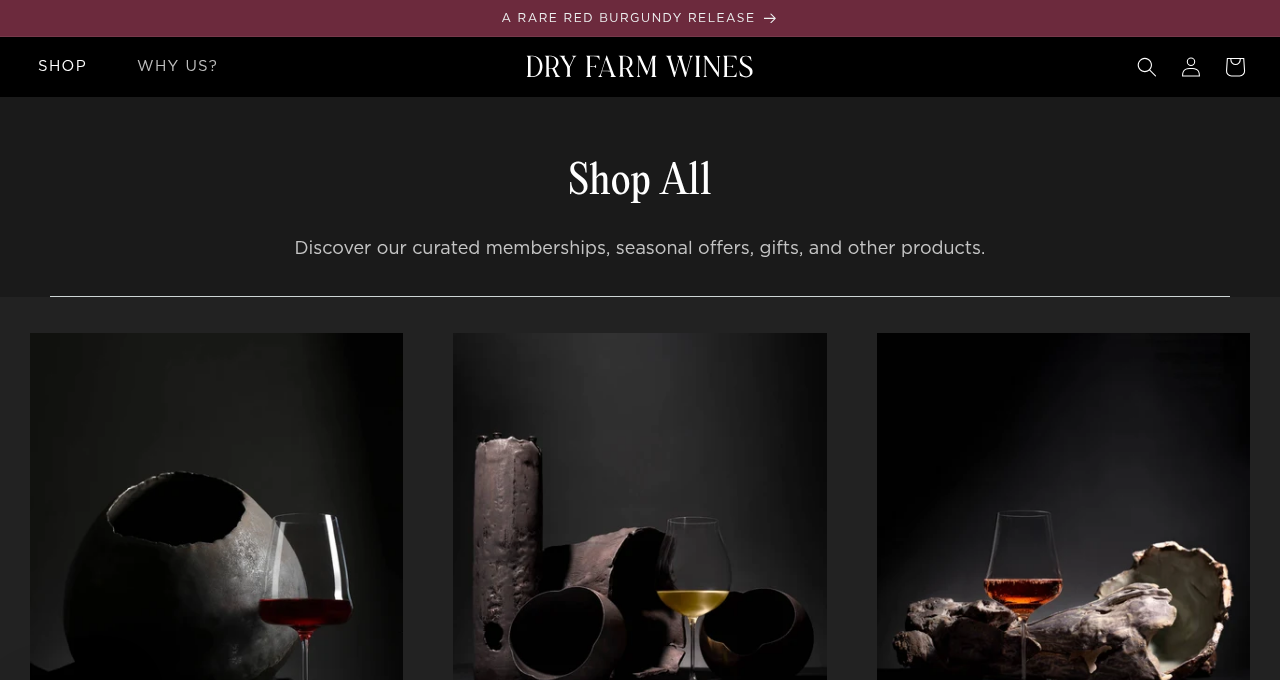
Sugar: Each wine tests at 1 g/L or less of residual sugar, which works out to under 0.15 grams per glass.
Sulfites: Total sulfites stay at or below 75 ppm, with a reported average of about 40 ppm, the lowest published ceiling in this roundup.
Testing: An independent lab checks every wine for residual sugar, total and free sulfites, alcohol (must be 12.5% ABV or lower), a full nutritional panel, the mold toxin ochratoxin A, and heavy metals such as lead and arsenic.
Price: Members pay $206 per six-bottle shipment or $384 per 12-bottle shipment. Non-members can purchase the same club shipments at a higher cost: $256 for six bottles and $481 for the 12-bottle shipment. You can also build your own box of six bottles from their online bottle shop, and ground shipping is included on all orders. Note that Dry Farm Wines are not available to be purchased individually.
Best For: Drinkers who want the most tightly regulated and verified sugar, sulfite, and alcohol numbers and will pay a little extra for them.
MYSA Natural Wine: Exploring Low-Intervention Wine
MYSA is an online natural wine shop and club that stocks bottles from small growers who farm organically or biodynamically, ferment with native yeast, and use minimal or no sulfites.
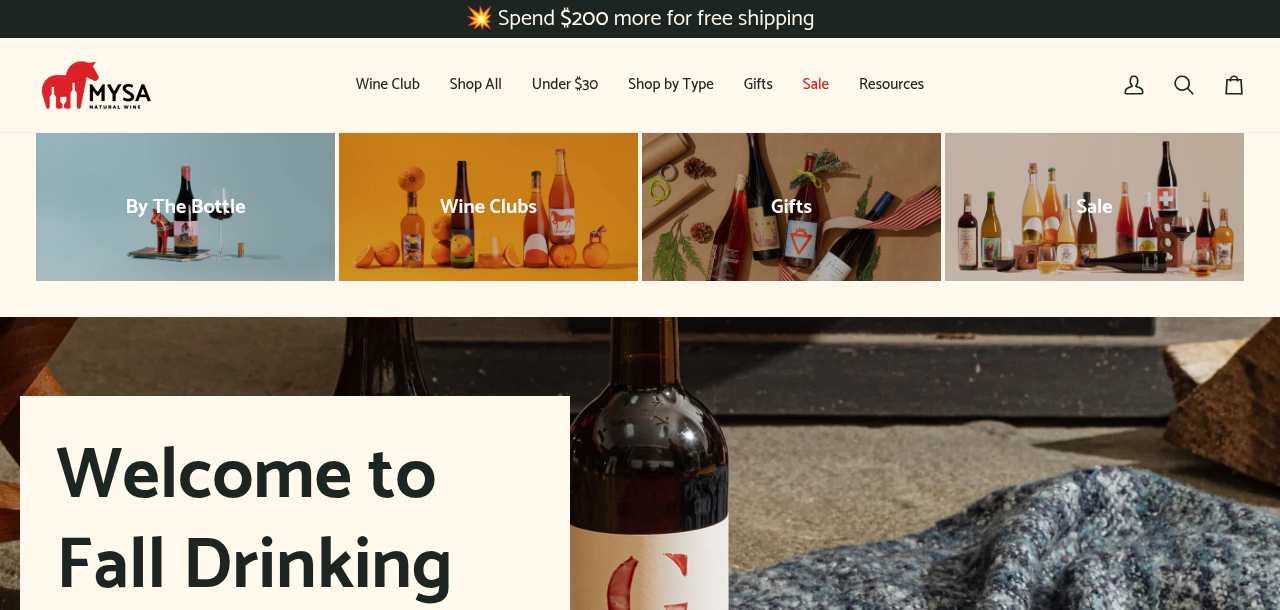
Sugar: Under MYSA’s natural wine definition, producers don’t add sugar during winemaking. Residual sugar isn’t published per bottle, though, and some styles, such as pét-nat, can vary in sugar levels.
Sulfites: There’s no single ppm standard ceiling across the shop. Instead, MYSA lets you filter its catalog by sulfite level, including producers who add none.
Testing: MYSA doesn’t describe lab testing of the wines it sells. Its vetting is based on how each producer farms and makes wine, so the standard is sourcing rather than verified numbers from a lab.
Price: The Mixed Wine Club starts at $90 for three bottles, $165 for six bottles, and $300 for 12 bottles. The Red, White, or Orange Clubs offer only a four-bottle option for $130. All club orders come with free shipping. Single bottles run from about $16 to $139, so there’s a wide range of selections here, and customers receive free shipping when they spend $200+.
Best For: Adventurous drinkers who care more about how the wine was made than about the lab figures behind it.
Lifevine Wines: Contaminant Testing at a Lower Price
Lifevine makes zero-sugar wines from California and Oregon grapes and sells them online and at retailers nationwide. Its calling card is independent testing with a Certificate of Analysis for every single wine.
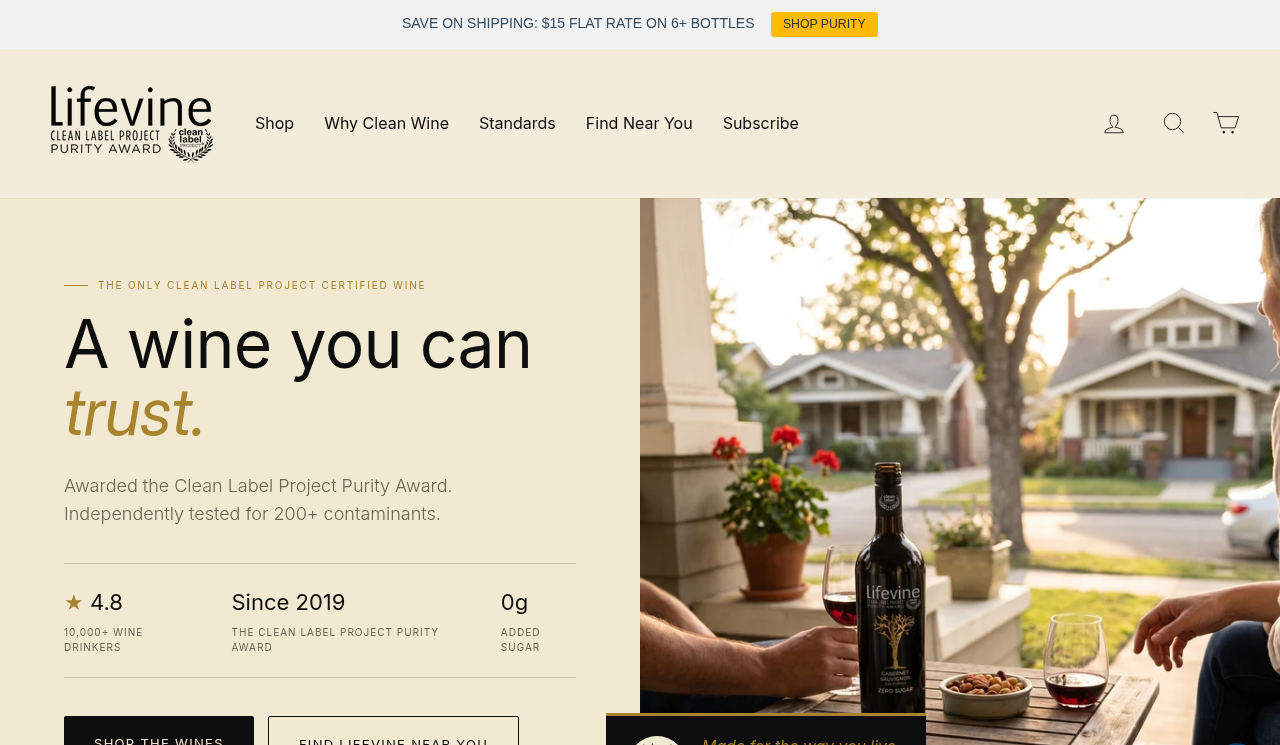
Sugar: Every wine is fully fermented to less than 1 g of residual sugar per five-ounce serving, with no sugar added, and that figure is lab-verified on each release.
Sulfites: Lifevine doesn’t publish a sulfite limit on its site, which makes it the hardest brand here to judge on this point. If sulfites are your top concern, ask before ordering.
Testing: Each batch goes to Ellipse Analytics, an ISO 17025-accredited lab, for screening across 200+ contaminants, including pesticides, glyphosate, and heavy metals. Lifevine holds the Clean Label Project Purity Award, and each label links to that wine’s lab report.
Price: Bottles are $21.99 each, or $15.39 with a 12-bottle subscription. A six-bottle subscription saves 15%, and orders of six bottles or more ship for a $15 flat rate.
Best For: Budget-minded shoppers who want published contaminant results.
FAQs on Sugar-Free, Sulfite-Free Wine
No. Sulfites form naturally during fermentation, so even wines with no added sulfites contain a small amount. Look for low or no added sulfites instead.
Not quite. No added sugar means nothing was added during winemaking. Sugar-free or zero sugar usually means residual sugar falls below a set threshold, close to zero. A dry wine with no added sugar can still hold trace levels of natural sugars.
There’s no legal definition. For context, U.S. rules cap wine at 350 ppm. Among the brands here that publish a limit, ceilings range from 75–150 ppm.
Which Low-Sulfite, No-Sugar Wine Should You Choose?
The choice is ultimately up to you, but let’s recap our suggestions:
- Scout & Cellar for the fullest picture of how a wine was grown, made, and tested
- Avaline for organic wines you can grab at a store or online
- Dry Farm Wines for the lowest published sulfite numbers
- MYSA for low-intervention natural wine
- Lifevine Wines for lab-tested contaminant data under $22 a bottle
Whichever you choose, check the product page of the specific bottle before purchasing. Designations like vegan, organic, or zero sugar may apply to individual wines rather than the entire brand portfolio. Then once you read up, place an order and get ready to sip happy.


We partnered with FirstLeaf Wine Club to bring you this special offer: 6 wines for $39.95 + Free Shipping. All you have to do is Take the Quiz and let FirstLeaf take care of the rest.