

- Best Wines for Hosting Guests - September 25, 2026
- Joining a Wine Club vs. Buying Wine Yourself - May 11, 2026
- Vinebox vs Wine Insiders: Tasting Experience or Everyday Wine Club? - March 30, 2026
There’s a quiet kind of anxiety that can happen in the wine aisle. You walk in with a simple goal: grab a bottle for dinner, a gift, or maybe just something to unwind with and suddenly you’re surrounded by intimidating walls of glass bottles. French names you can’t pronounce. Labels that all look serious. Words like reserve, estate grown, and barrel aged that sound impressive but don’t help you decide what to walk away with.
So you check the price. That should help, right? Except now you’re wondering if $12 is too cheap… or if $32 is overkill. You start thinking about what other people might prefer. You worry about choosing something too dry. Or too sweet. Or just… wrong.
With wine, no one gives you a simple decision system. Wine marketing is designed to sound elevated, but choosing a good bottle doesn’t actually require mastering regions or memorizing grape varieties. It just requires narrowing your choices with clarity.
You can do this with three anchors: price range, occasion, and sweetness level.
These categories will help to remove some of that uncertainty in a specific way. When you use all three together, you move from confusion to confidence. Let’s break them down.
Table of Contents
1. Start With Price Range: Set Expectations First
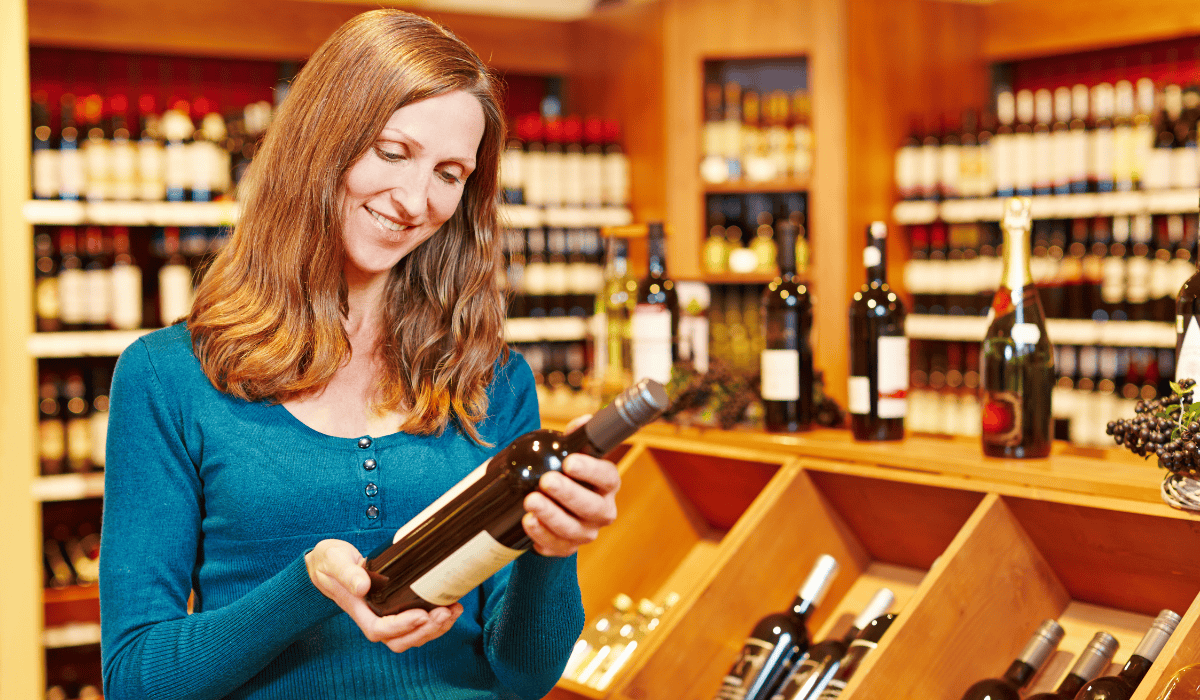
Price is generally the first thing people look at, but not always in a helpful way. Many shoppers tend to assume that a higher price automatically means better wine. That’s not exactly true. Price usually reflects production methods, region reputation, aging time, and brand positioning. While those factors can influence quality, they don’t guarantee you’ll personally enjoy the bottle.
Instead of asking, “Is this expensive enough to be good?” try asking:
“What level of experience do I want right now?”
Here’s a simple way to think about it:
Under $15: Everyday Enjoyment
This range is perfect for weeknight dinners, casual gatherings, and trying new styles without risk. Wines in this category are often straightforward and easy drinking. They may not be complex or layered, but they don’t need to be. Their job is simple: taste good and fit the moment.
$15–$30: Reliable and Balanced
This is the comfort zone for many wine drinkers. You’ll typically find: better structure, more balance between fruit and acidity, and smoother finish. If you want something that feels a little more polished without stepping into splurge territory, this is your sweet spot.
$30+: Special Moments
This range makes sense when you’re celebrating, you’re gifting, or you want depth and complexity. Wines here often show more nuance layered aromas, longer finishes, and more careful production methods. The key isn’t spending more, but it’s matching your budget to the moment. While Taco Tuesday doesn’t require a collector’s bottle, an anniversary dinner might deserve something with extra care behind it.
2. Match the Wine to the Occasion: Give It a Job
Wine feels overwhelming when you treat every bottle like it has to impress everyone. Instead, give the wine a role.
Ask: What is this bottle supposed to do?
Is it: supporting a meal, entertaining guests, acting as a gift, or helping you unwind after a long week? Each scenario narrows the field dramatically.
Casual Dinner at Home
Here, you just want versatility.
Think: medium bodied reds,crisp whites, and smooth blends. These wines don’t dominate the food or demand attention. They complement the moment and the meal.
Dinner Party or Group Gathering
Now you need crowd pleasers.
Look for: fruit-forward reds, balanced whites, and sparkling wines with bright acidity. Avoid extremes. Very tannic reds or intensely dry whites can divide a room. Medium body and balanced fruit tend to win and be universally pleasing for all parties attending.
Date Night or Celebration
This is where structure and elegance matter. You might lean toward: oak aged Chardonnay, structured Cabernet, or a refined Pinot Noir. These wines create an atmosphere; they feel intentional and have meaning behind them.
Gifts
When gifting, presentation and familiarity matter. Recognizable grape varieties or curated sets reduce the risk of missing the mark. The mistake people make is trying to choose the “best” wine. But the best wine for pizza night isn’t the best wine for a formal dinner. When you define the occasion first for the gifting, half the bottles disappear from consideration and that’s a good thing.
3. Sweetness Level: The Most Personal Filter
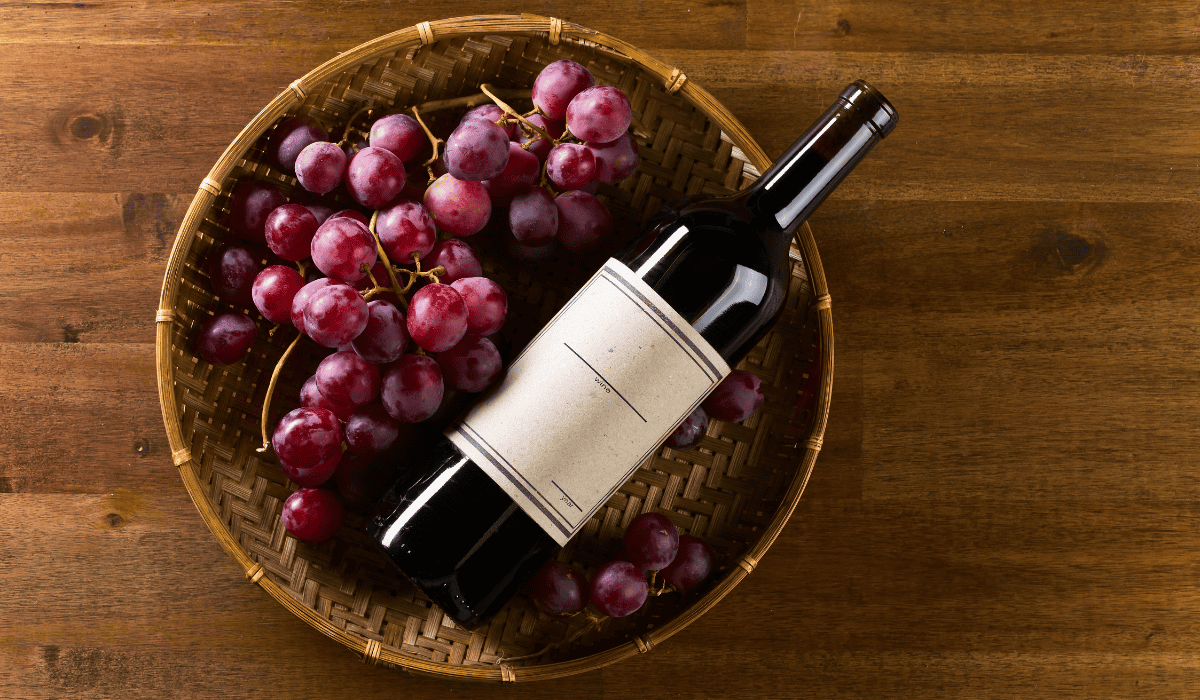
If price sets expectations and occasion defines the role, then sweetness defines enjoyment. This is where most disappointment happens. Many people say they don’t like wine when what they actually mean is: “I bought something that didn’t match my taste.”
Sweetness in wine ranges from bone dry to dessert level sweet. But it’s not just about sugar it’s about perception. Fruit forward wines can taste sweeter even if they’re technically dry. Here’s a practical shortcut if you enjoy fruity cocktails,sweet teas, and dessert flavors. Start with off dry or sweet wines.
If you prefer black coffee,dark chocolate, and savory flavors. You’ll likely enjoy dry wines more. Examples of generally dry wines include Cabernet Sauvignon or Sauvignon Blanc. Off-dry options may include certain Rieslings or Rosés.
Sweeter styles include moscato and dessert wines. There’s no prestige in preferring dry wine. There’s no immaturity in liking sweet wine. Preference is preference. When you choose sweetness level honestly instead of aspirationally your success rate skyrockets.
The Confidence Formula in Action

Now imagine you walk into the wine aisle again. Instead of staring at everything, you think: I want to spend around $20, this is for a casual dinner with friends, and I prefer something not too dry. Suddenly, you’re not choosing from 300 bottles. You’re choosing from maybe 10 that actually fit. That’s confidence. It’s not about knowing more. It’s about narrowing better.
When You Want Even Less Guesswork
Even with a system, some people still prefer guidance especially if they’re early in their wine journey or hosting a group with mixed preferences.
That’s where curated bundles can help. Instead of choosing a single bottle, you select a themed collection that already aligns with a taste profile or purpose. Curated selections from wine subscriptions like Wine Insiders are structured to reduce risk. Instead of randomly testing bottles, you explore within a guided theme which builds familiarity faster. Bundles aren’t about removing choice but about removing anxiety.
The Real Goal: Building Your Own Wine Instinct
The more you use these filters, price, occasion, sweetness the sharper your instincts become.
You’ll start noticing patterns: you gravitate toward medium-bodied reds, you prefer whites with brighter acidity, or you enjoy wines in a certain price tier consistently. That’s when wine stops feeling intimidating and it becomes enjoyable. Because picking a good wine was never about decoding the label perfectly. It was about aligning the bottle with the moment and your taste. When you choose with clarity instead of pressure, the experience changes.
Wine becomes what it was meant to be: A complement to the table, a conversation starter, and a small pleasure at the end of the day.
With a simple system in place, you’ll never feel clueless in the aisle again.


We partnered with FirstLeaf Wine Club to bring you this special offer: 6 wines for $39.95 + Free Shipping. All you have to do is Take the Quiz and let FirstLeaf take care of the rest.