
- How to Get the Best Value When Buying Wine by the Case - June 29, 2026
- A Beginner’s Guide to Finding Wines You’ll Actually Enjoy - June 29, 2026
- The Best Wine Gift for Dads Who Have Everything - June 24, 2026
I remember the first time I tried to buy wine “properly.” You know, with the intention of getting a good bottle from a reputable region?
I stood in the grocery aisle for about fifteen minutes pretending to read labels. The labels talked about regions I’d never heard of, and the blurb on the bottle mentioned flavours like tobacco and leather as if those were things people normally wanted to drink.
At restaurants, when a waiter would hand me a wine list, I’d spend a minute pretending to think about it before ordering the second-cheapest bottle or a grape name I’d vaguely heard of.
Looking back, I think I was making it much harder than it needed to be. Because most people don’t learn about wine by studying it. Instead, they learn it by enjoying one bottle at a time.
You don’t need a highly trained nose or an educated palate to enjoy wine. You don’t need to memorize every grape variety or obscure French château either. It’s really just about learning a few basics and figuring out what you like.
Table of Contents
The Stuff I Wish Someone Had Explained Earlier
Grape Varieties vs Regions
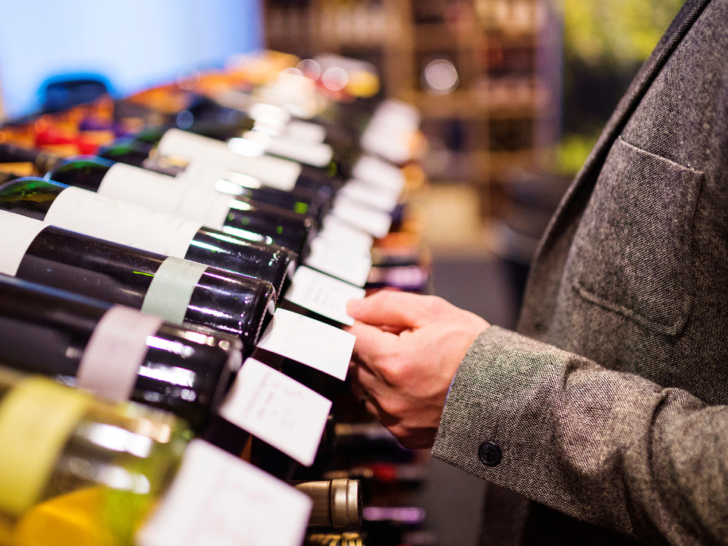
When you’re standing in front of a shelf, it can feel as though every bottle is speaking a different language. One says Sauvignon Blanc. Another says Rioja. Another says Bordeaux.
Then there are bottles with names that sound like wineries, ones that sound French, and bottles that appear to be named after a castle.
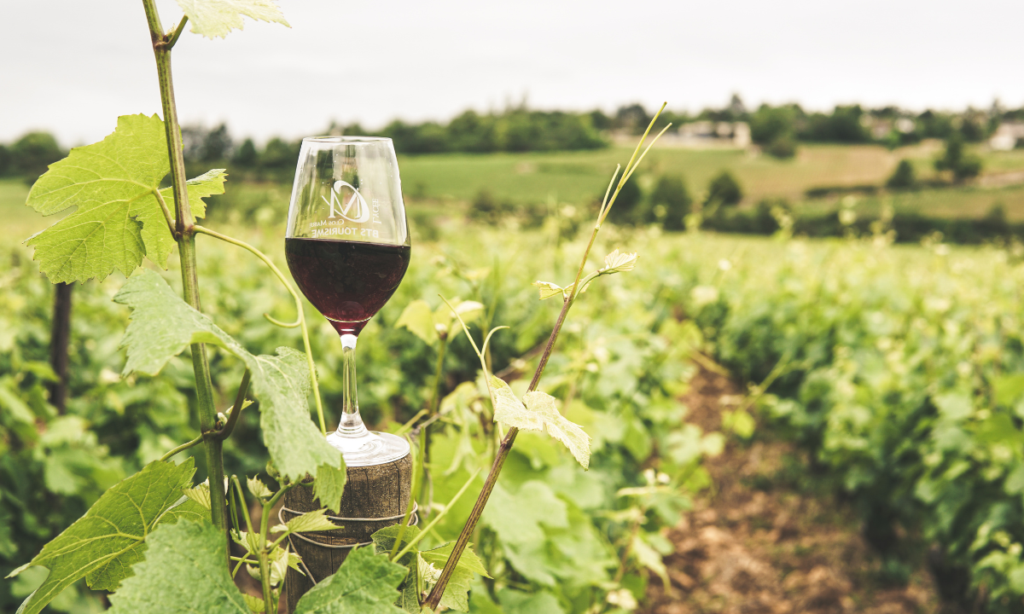
The secret is that some wines are named after the grape they’re made from (Sauvignon Blanc, Chardonnay, Merlot, Pinot Noir) while others are named for the region where they’re made. For example, Bordeaux is a region in France, Rioja is a region in Spain, and Napa Valley is a region in California.
Once somebody explained that to me, a lot of labels suddenly started making more sense.
For me, grape varieties were the easiest thing to zoom in on. If I didn’t recognize the producer, I’d usually look for a grape variety I knew I enjoyed. If you find a Sauvignon Blanc you like, that’s worth remembering. The next time you’re standing in front of a shelf wondering what to buy, you’ve got something to go on.
Dry vs Sweet
Wine people talk about “dry” wines all the time, but it’s one of those terms that sounds far more technical than it really is. At its core, a dry wine is simply one that doesn’t taste very sweet.
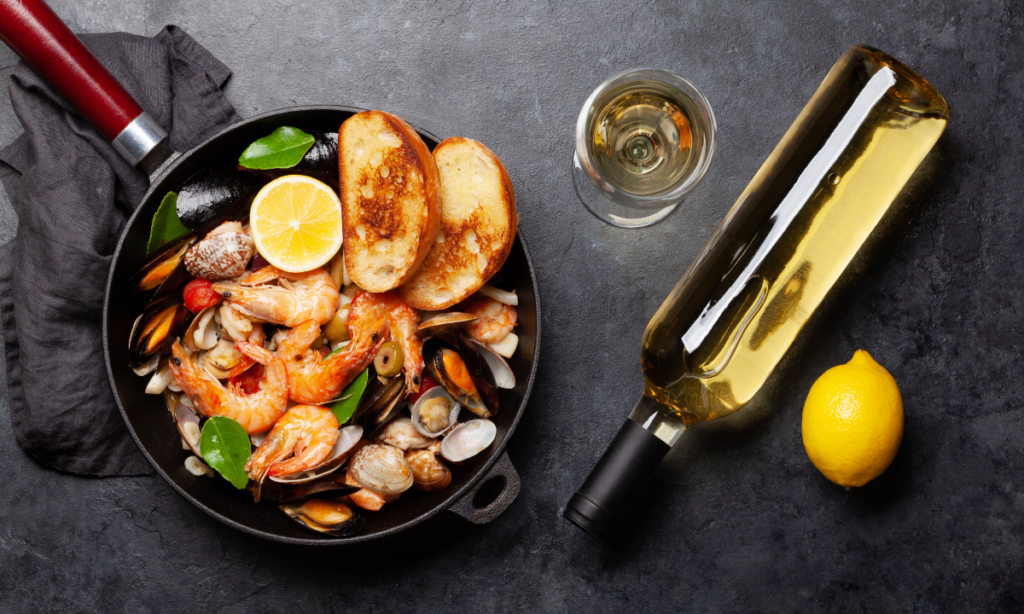
If you’ve ever had a crisp Sauvignon Blanc or a glass of Muscadet with seafood, you’ve already experienced what “dry” usually means in practice. It’s more about a clean, refreshing finish than any noticeable sweetness.
You might also hear the term “fruit-forward,” which can be a little misleading at first. It doesn’t automatically mean “sweet,” it just means the fruit flavors are more obvious and expressive (like ripe citrus, berries, or stone fruit).
Most people already have a gut feeling about what they prefer here. Some lean toward wines that feel crisp and dry, while others naturally enjoy something with a bit more fruit character or perceived sweetness.
Light-Bodied vs Full-Bodied
“Body” is another wine term that sounds more intimidating than it really is. It’s just a way of describing how heavy, rich, or substantial a wine feels in your mouth.
A Pinot Grigio, for example, is usually light and easy-drinking. A richer Chardonnay feels fuller and more creamy. On the red side, Pinot Noir often surprises people by feeling lighter and softer than expected, while Cabernet Sauvignon usually has more weight, structure, and intensity.
Once you strip away the terminology, it becomes a lot simpler. Most people already know whether they prefer lighter, more refreshing wines or richer, more full-flavored ones. The trick is less about learning a new language and more about noticing your own preferences and building from there.
What to Look for on a Label When You Don’t Know the Producer
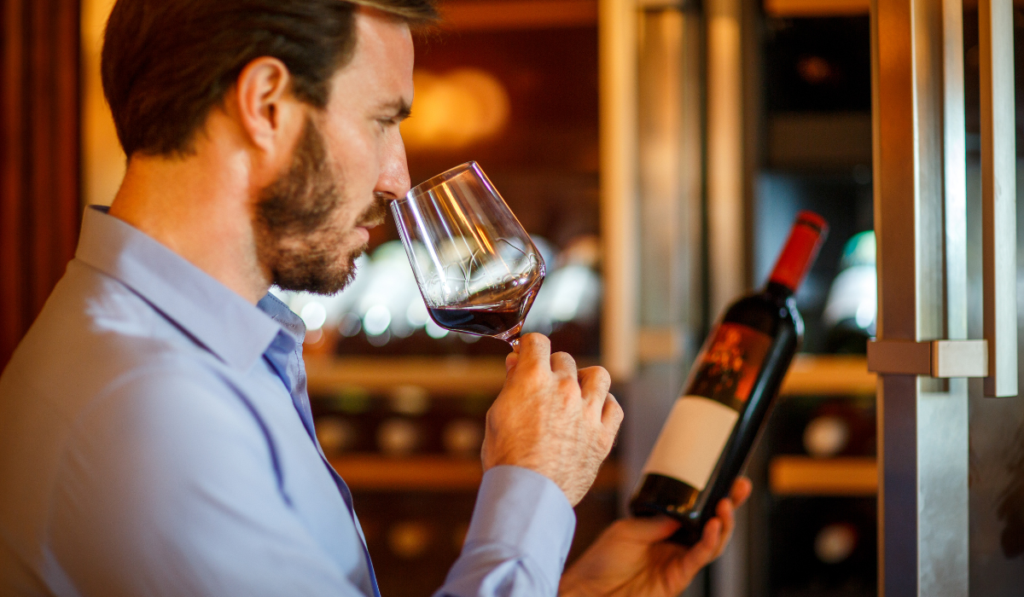
When you don’t recognize a wine brand, the label still tells you a lot more than it seems.
Start with the grape variety. Words like Sauvignon Blanc, Cabernet Sauvignon, or Pinot Noir are more useful than the brand name when you are learning.
Then look at the region. A Sauvignon Blanc from New Zealand will usually taste more tropical and punchy, while one from France might feel more restrained and mineral.
You can also get clues from terms like “oaked” or “unoaked”, “reserve”, or “estate bottled.” These don’t guarantee quality, but they hint at style and production choices.
If you keep it simple, the formula is this: grape first, region second, everything else third.
How to Avoid Spending Too Much While You’re Still Figuring It Out
One of the easiest mistakes to make early on is assuming higher price equals better wine.
I’ve had expensive wines that were genuinely excellent, but I’ve also had cheaper bottles that I ended up buying again and again. Price can tell you something about production, rarity, or branding, but it doesn’t guarantee you’ll actually enjoy what’s in the glass.
When you’re still figuring out your taste, it’s usually more useful to try a few different lower to mid-priced bottles than to gamble on one expensive one. For example, four bottles around the $12–$20 range will often teach you more than a single $60 bottle. You might find two you love, one you like, and one you’d never buy again. That’s not a bad outcome, that’s useful information.
A good rule early on is simple. Don’t chase price as a shortcut for quality. Chase variety instead. The goal isn’t to find the “best” wine on the shelf, it’s to figure out the kinds of wines you’d actually be happy to drink again.
Tips for Remembering the Bottles You Actually Like

One of the most useful habits I picked up was just taking photos of wines I enjoyed. Some people keep proper wine journals, but I never got that organized. I just started snapping photos of bottles I liked and occasionally adding a quick note in my phone.
Nothing fancy either. I’d jot down things like where I drank it, what I had with it, whether it felt light or rich, and most importantly whether I’d buy it again. Most of the notes were very simple, like “really crisp”, “great with fish”, or “would definitely drink again.”
Over time, patterns started to show up. Certain grape varieties and regions kept appearing in the bottles I enjoyed, and I started recognizing them without having to think too hard. That made shopping easier, but it also made reading wine lists less overwhelming.
What this really did was help me to build a map of my own preferences. It turned wine from something I was guessing at into something I was actually learning through experience, without needing to read a single review in detail.
A Handful of Beginner-Friendly Wines That Rarely Disappoint
Sauvignon Blanc was probably the first wine I could reliably pick out. If I ordered a glass of white wine somewhere and liked it, there was a good chance it turned out to be Sauvignon Blanc. It’s usually fresh, crisp, and citrusy, and it was the first wine that made it click for me that not all white wines taste remotely the same.
Plus, a Sauvignon Blanc from New Zealand could taste quite different from one made in France. That was my first real hint that where a wine comes from can matter almost as much as the grape itself.
Pinot Grigio was another one I kept coming back to. It tends to be lighter and more delicate than Sauvignon Blanc, and it was probably the first time I stopped ordering just “a glass of white” and started noticing there were different styles within that category.
Chardonnay confused me for a long time because it didn’t feel consistent. One bottle could taste crisp and clean, while another felt rich and almost creamy. Eventually I realized that Chardonnay is less about a single flavor profile and more about how it’s made. Some versions are aged in oak barrels, which can add flavors like vanilla, butter, and toast, while others are kept lighter and fresher.
Red wine took a bit longer to make sense of. Pinot Noir surprised me because it was lighter than I expected, while Cabernet Sauvignon helped me understand what people mean when they talk about fuller-bodied reds. One felt soft and easygoing, the other felt deeper and more structured.
TL;DR:
- Sauvignon Blanc is usually crisp, fresh, and citrusy, which makes it an easy entry point for white wine.
- Pinot Grigio is lighter and more neutral, which is why a lot of people find it easy to drink even if they are unsure what they like yet.
- Chardonnay is worth trying early because it shows you two different worlds. Unoaked versions are crisp and clean, while oaked versions are richer and more buttery.
- On the red side, Pinot Noir is light enough to ease into red wine without feeling too heavy, while Merlot tends to be smooth, soft, and very forgiving for beginners.
Why Subscription or Curated Cases Are Often a Starting Point
This is where curated wine services like Wine Insiders tend to make life easier for beginners.
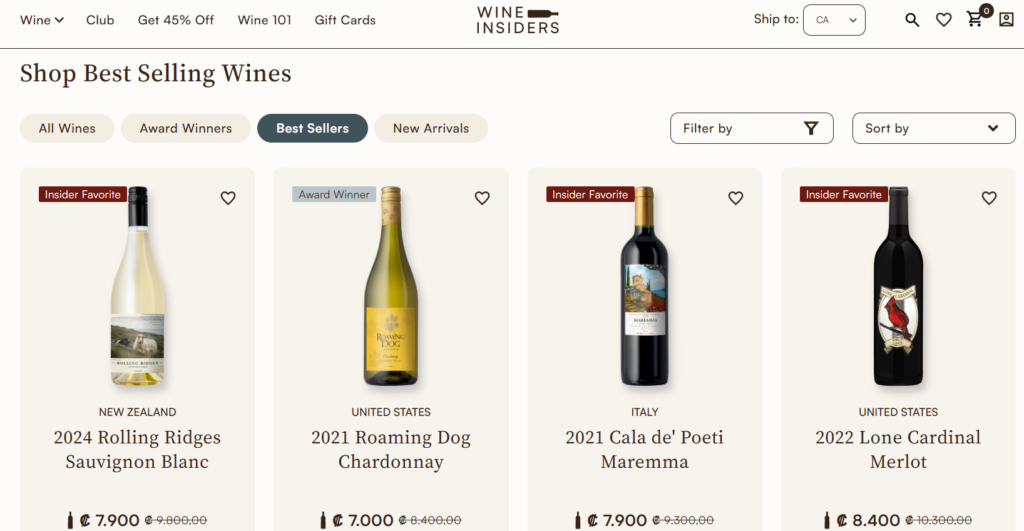
Instead of standing in a store staring at hundreds of bottles, a curated case lets you sample a range of styles in one go.
The real advantage is variety. You might get a mix of familiar grapes alongside bottles you wouldn’t normally pick. That combination is what helps you figure out your preferences faster than buying bottles one by one.
It also reduces the risk of overpaying while you are still learning. Many subscriptions and curated cases are priced so that the per-bottle cost stays reasonable, especially compared to randomly picking bottles off a shelf without context.
For beginners, that’s often the smarter approach. You are not just buying wine, you are buying exposure to different styles in a structured way. And that’s usually how people go from “I don’t know what I like” to actually having a clear sense of it much faster.
Nobody Is Keeping Score. Just Enjoy!
One thing I gradually realized is that wine becomes a lot more enjoyable once you stop worrying about whether you’re doing it “correctly.”
Wine can sometimes feel like it comes with a set of unspoken rules. It can seem like everyone else knows which wines go with which foods, which regions matter, and which vintages are supposed to be “good years.”
In reality, I’ve enjoyed bottles that other people would probably dismiss, and I’ve had expensive, highly rated wines that didn’t do much for me at all. That’s part of what makes it interesting. Your taste doesn’t have to line up with anyone else’s.
And you don’t need to overthink how you describe it either. Most of the time I just swirl the glass, take a quick smell, and have a sip. The only real question that matters is simple: Would I happily have another glass?


We partnered with FirstLeaf Wine Club to bring you this special offer: 6 wines for $39.95 + Free Shipping. All you have to do is Take the Quiz and let FirstLeaf take care of the rest.