
- The Best Rosé Wine Online: A Buyer’s Guide - September 10, 2026
- Buying Wine Online vs In-Store: Understanding Which Option Works Better for You - July 23, 2026
- Wine Insiders vs. Total Wine & More: Comparing the Retail Giant Against Online Convenience - July 8, 2026
Rosé has long been viewed as the ultimate summer sipper, thanks to its refreshing acidity and easy-drinking, fruit-forward profile.
But the category is much broader than that reputation suggests. Wine regions around the world make rosé from different grape varieties using different winemaking methods, producing styles suited to every season and occasion: poolside in July, alongside a Thanksgiving feast, or in front of a fire in January.
This means that for the average wine shopper, the challenge is determining what style lies behind the label. That gets even harder online, where the options are virtually endless and there’s no chance to taste first.
So, in this guide, we’ll explore what you need to know to find the best rosé wine online, including how rosé is made, how the major styles differ, what to check before you purchase bottles online, and where you can shop online to stock up on rosé.
Table of Contents
How Rosé Is Made & What Makes a Good One
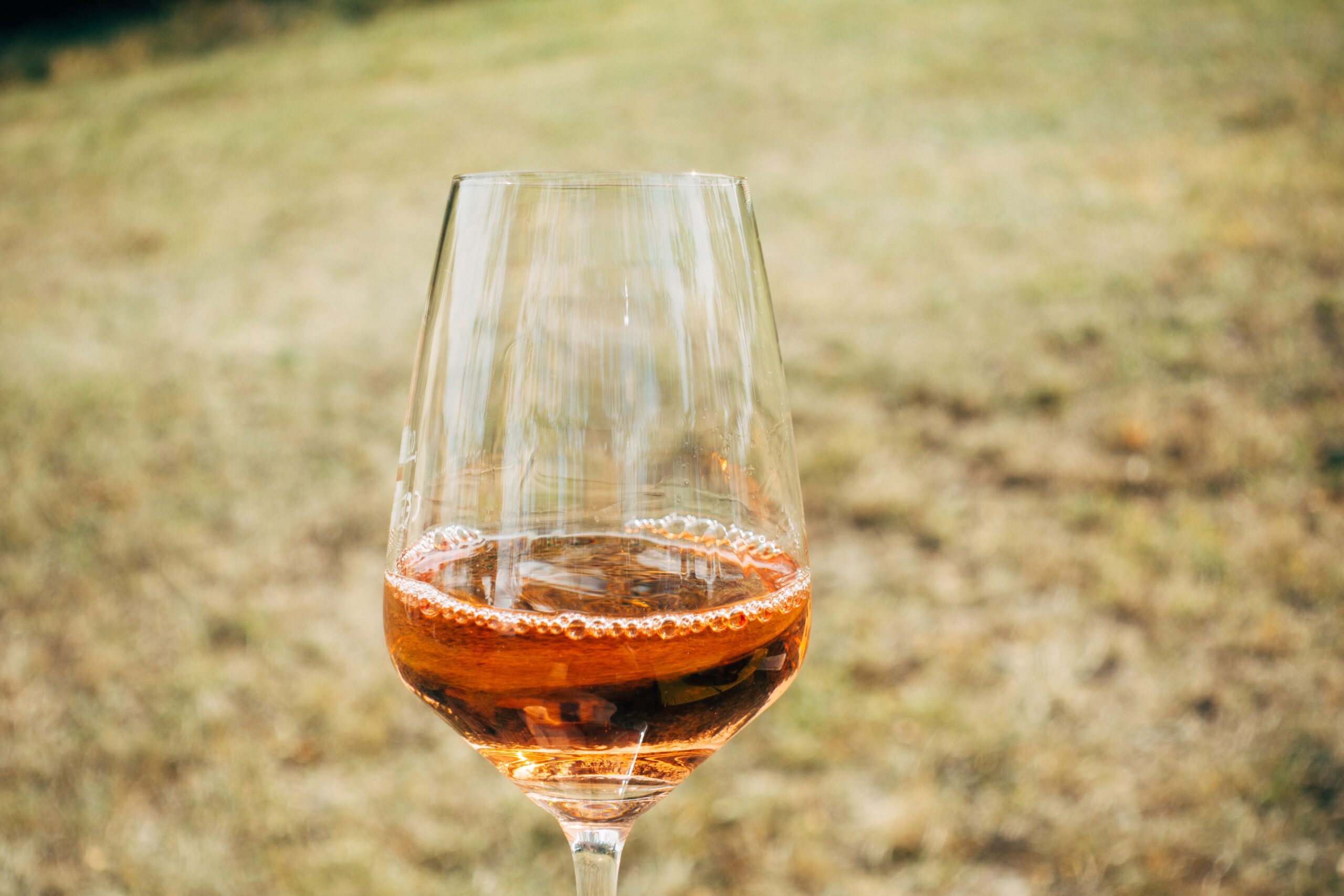
Rosé is not typically red and white wine blended together (though rosé Champagne is the well-known exception where blending is permitted and common). Instead, rosé is made with red grapes that are given a short window of contact with their skins after being crushed — hours, not weeks of the skin contact time that a red wine would get. Since the juice is separated from the skins earlier, the result is a pink wine instead of red.
There are three main methods of rosé production.
Direct press is the first and involves pressing the grapes immediately after harvest, during which time the juice has little to no contact with the grape skins. The result is a pale, crisp, more delicate rosé commonly seen in the light pink wines of Provence.
Saignée, French for “bleeding,” is the second well-known method in which a portion of the juice is drawn off of a red wine fermentation early. The juice then continues to ferment off of the skins. In this case, the wine has a darker color and carries more tannin and varietal characteristics because the juice is bled from a vat with a high ratio of skins to juice and ferments at warmer red-wine temperatures.
Rosé can also be made via maceration. After the grapes are destemmed and crushed, the juice macerates on the skins for a few hours up to a couple of days, extracting more tannins, anthocyanins (color), aromas, and flavors. The juice is then separated from the skins to complete fermentation.
While we’re on the subject, let’s put a very common myth to bed: color does not tell you sweetness. A pale rosé is not automatically dry, and a dark one is not automatically sweet. The association is a hangover from the days of White Zinfandel, which was bright pink, sweet, and dominated American shelves for decades. Today, some of the deepest-colored rosés in the world (Tavel, Cerasuolo d’Abruzzo) are bone dry.
Here’s what to look for instead:
Acidity: A good rosé should feel bright and mouthwatering, not flat or flabby. Acidity is what gives rosé its freshness and makes it a great food-pairing wine.
Fresh fruit tasting notes: Look for descriptors like strawberry, watermelon, citrus zest, white peach, etc. You want fresh fruit flavors, not jammy or candy notes.
A dry, clean finish: A savory or mineral note on the end is a very good sign because it indicates a dry wine.
Reasonable alcohol levels: Most rosés land between 11.5% and 13.5%. Any higher, and it tends to lose the lightness most people look for in a rosé. That’s not to say there aren’t great rosés with ABV above 13.5%; there most certainly are, and they are good companions for meals.
Price: The sweet spot is roughly between $12–$20. There is a real quality jump above the sub-$10 tier, and past $25 you’re increasingly paying for the label or the reputation as much as for what’s in the bottle — though a handful of imported benchmarks do earn it.
Typical Rosé Styles
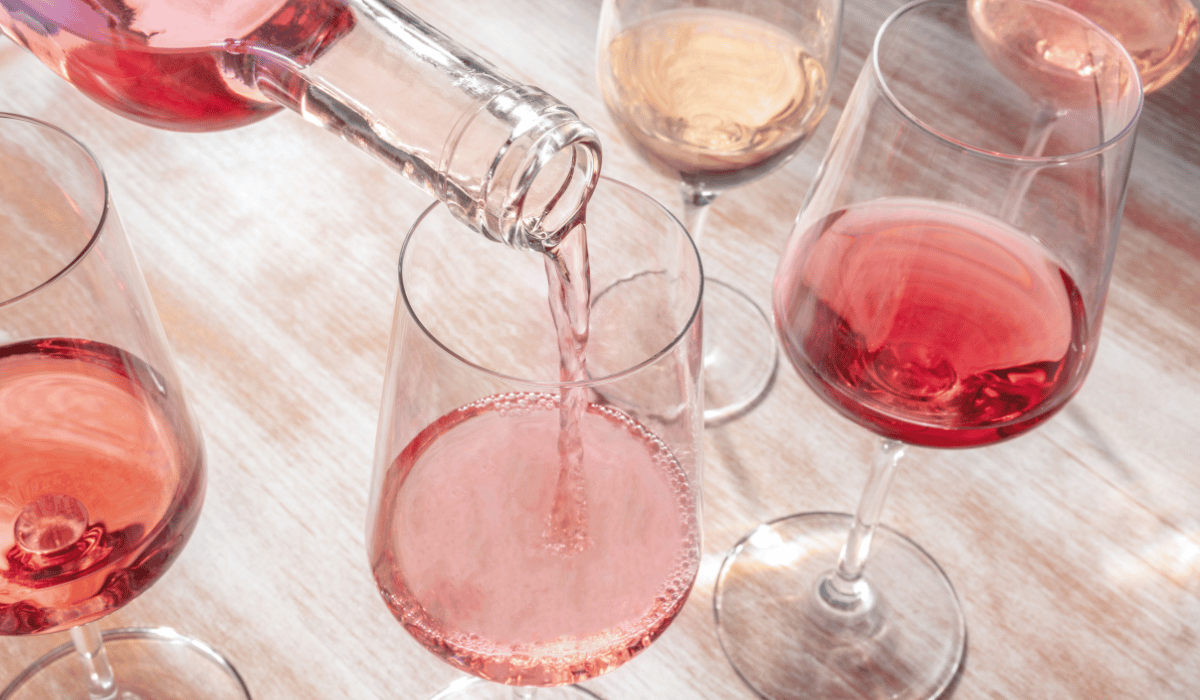
Most rosé shopping comes down to a choice between two broad camps, plus a few excellent detours in between. Sparkling rosé cuts across all of them, from Champagne and Crémant in France to Cava in Spain and traditional-method bottlings in the New World, and is made either by blending in a little red wine or by brief skin contact before the base wine’s second fermentation.
The Provence Style
Provence is a major reference point for rosé, and for good reason. The region has been making rosé as the main event rather than an afterthought for a very long time, and it popularized the direct press style of rosé around the world.
Provençal rosé can be made from any of the grape varieties permitted by the region’s appellations, but the main ones are Grenache, Cinsault, Syrah, Mourvèdre, and Tibouren (and the result is usually a blend of multiple varieties). Expect a pale salmon or onion-skin color, a dry and restrained palate, and flavors of citrus, white peach, melon, and dried herbs, with a saline or mineral-driven finish.
These are aperitif wines first. That restraint is exactly why they pair with almost anything light: for example, seafood, salads, goat cheese, or charcuterie and cheese.
The New World Style
Generally, rosé wines made in New World regions (e.g., California, Oregon, Washington, Chile, Argentina, Australia, and New Zealand) tend to be riper, fruitier, and a touch fuller-bodied. They usually have more red fruit flavors, like strawberry and raspberry, and occasionally may have a hint of residual sugar. Warmer regions tend to yield fruitier, more robust wines, and cooler regions lean towards fresher, crisper styles.
Oregon Pinot Noir rosé is crisp and precise, yet fruity. California Grenache, Syrah rosés, or an Argentine Malbec can be substantial enough to stand up to bolder dishes.
That’s not to say you won’t find a Provence-style rosé made in the New World. You’ll find all rosé production methods used in these regions, so look at the color of the wine and the climate of the region to help determine the style behind the label. If it’s a lighter, pale color, you can assume minimal skin contact, and the wine will be similar to a Provence-style rosé.
The Mediterranean Middle Ground
There’s a lot of diversity and value to be found throughout the Mediterranean regions when it comes to rosé.
There are two French regions worth knowing beyond the Côtes de Provence template. Bandol makes Mourvèdre-driven rosé with more structure and grip, and it’s one of the few pinks that continues to improve with a year or two in the bottle. Same for Tavel, up in the Rhône — that’s a deep, full-bodied, and structured rosé made with extended maceration or the saignée method, mainly with Grenache alongside up to eight other permitted varieties.
Spanish rosado from Rioja or Navarra, usually made with Garnacha, gives you deeper color and riper red-berry fruit flavors while staying dry. Italian rosato covers a ton of ground: Bardolino Chiaretto is light and floral, Tuscan Sangiovese rosato brings tart cherry flavors and firm acidity, and Cerasuolo d’Abruzzo made with the Montepulciano grape is savory with depth and often seriously underpriced.
Portugal also turns out consistently good, affordable rosé made with a blend of any number of their native grapes.
Which Style Is for You?
Here’s a good rule of thumb to start with: If you gravitate toward Sancerre, Albariño, or dry Pinot Grigio, start with Provence and Italian rosato. If you prefer fruit-forward reds, more plush, or off-dry whites, start with New World and Spanish rosado.
For those who have no idea, it’s a great time to explore different styles with a mixed case and find out what you like. This is one of the more affordable and fun forms of wine education available.
What to Check Before You Order Online
Vintage
This is the big one. Rosé is made to drink young, ideally within twelve to eighteen months of harvest. If a site lists a rosé three vintages back at a steep discount, that’s a clearance push and not necessarily a bargain. The exceptions are Bandol, Tavel, Cerasuolo d’Abruzzo, and any other skin-contact rosés with darker color. These have more tannin and phenolic structure, generally higher alcohol, and more concentration — all of which contribute to ageability.
Color
Even when you can’t see or taste the wine in person, you get a feel for the style of wine based on the color of the rosé. Darker colors mean more skin contact and a more robust structure and flavor profile. A paler color indicates minimal skin contact, leaning towards that similar light, fresh, crisp character.
Tasting Notes
Read the tasting notes for words like “off-dry” or “candied,” which can indicate the wine has a certain sweetness. On the other hand, “crisp,” “dry,” and “mineral” point towards a fresher style.
Shipping Availability
Direct-to-consumer alcohol shipping is regulated state by state, and a handful of states restrict it — or prohibit it outright. The rules are also frequently changing, so check the online retailer’s shipping policy or set your ship-to state on the site before adding wines to your cart.
Who Signs for It
Know that an adult 21 or older has to sign for any alcohol delivery. If no one is home during the day, ship the wines to your office or route the order to a retail pickup point. You usually have two failed delivery attempts before the package is returned, but that means more time for your rosé riding around in the back of a hot truck.
Weather
Sustained heat above the mid-80s can damage any wine. If you’re ordering in July or August, pay for faster shipping, pay extra for the ice packs, or check whether the retailer holds orders during heat waves.
Per-Bottle Cost
Shipping on a one- or two-bottle order can add more than the wine is worth. This is why case pricing and free-shipping thresholds matter so much in this category. Most wine retailers have at least one, if not both, of these options available.
Satisfaction Guarantees
Rosé is a category where you are likely to buy something you have never tasted. A retailer that will refund or replace a bottle you do not like removes most of the downside of experimenting.
Where to Buy Rosé Online
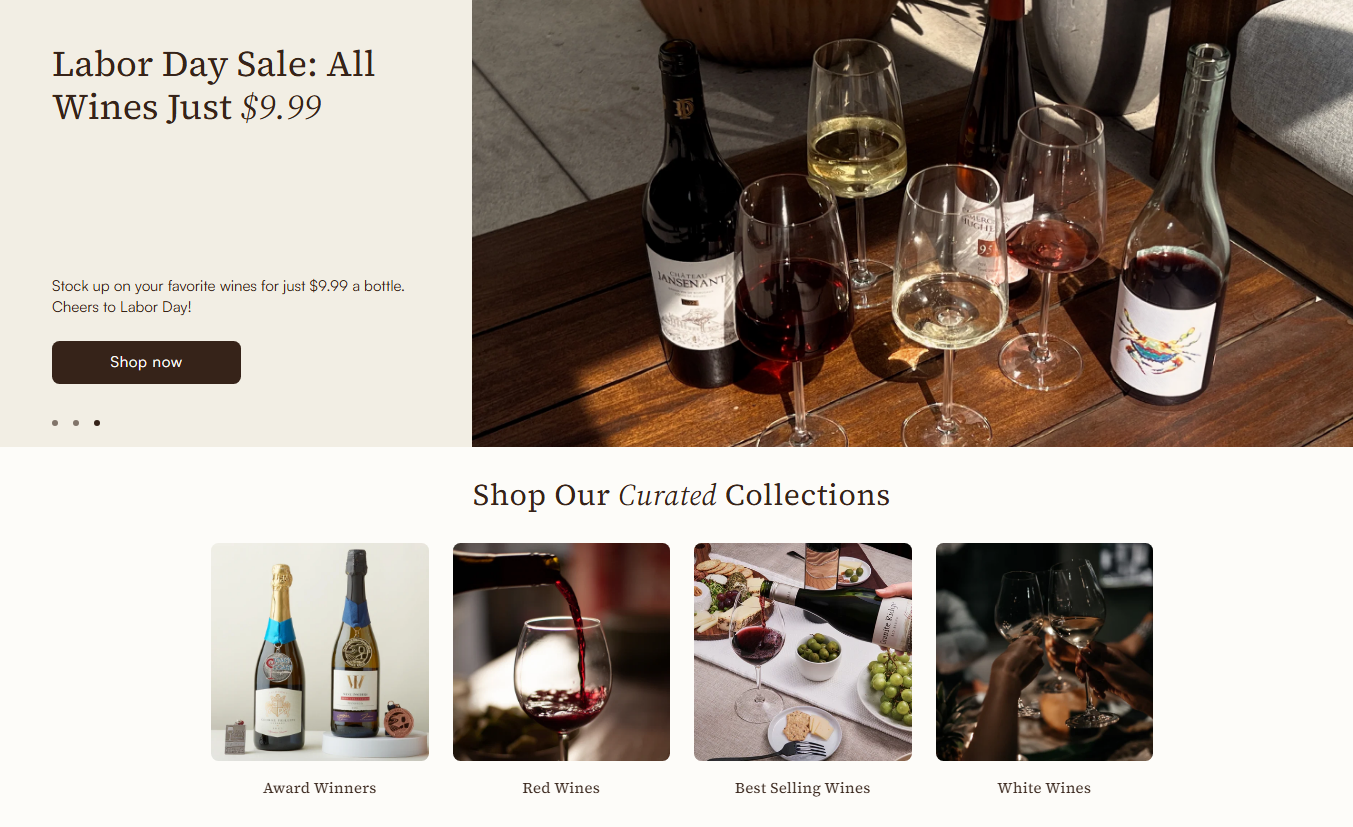
Here are a few online retailers to get you started, whether you’re chasing a specific label, stocking up, or trying to work out what you like in the first place.
Wine Insiders: Best for Curated Value and Mixed Cases
Wine Insiders has been selling wine since 1982, when it started as one of the first direct-to-consumer wine clubs of its kind out of a Chicago restaurant. Today, they source wines directly from wineries, skipping the distributor markups and passing the savings along to the final retail prices.
Wine Insiders‘ rosé selection spans New World regions in the United States and Chile, as well as Old World regions in Italy, Spain, and France. With an array of styles including sparkling, most bottles sit between $10–$20. Orders are shipped within 2–3 days and can be routed to your door or to one of 14,000+ FedEx or Walgreens pickup points across America.
Their Perfect Pour Promise money-back guarantee refunds any bottle you don’t like, and you can take advantage of free shipping when you buy 6 bottles or more, making this a great opportunity to explore different styles of rosé.
Wine.com: Best for Hunting a Specific Label or Exploring a Range of Styles
Wine.com has the largest catalog of online wine in America, which makes it a great destination for tracking down a specific bottle or for browsing a wide-ranging selection to discover something new. Shopping filters cover region, rating, price, and style, and inventory runs deep enough that obscure Cerasuolo d’Abruzzo or Bandol producers actually show up in search results.
The catch is shipping: per-order fees scale with bottle count and can rival the cost of the wine itself on a small order, which makes a two-bottle rosé experiment an expensive way to try new wines. Wine.com sells an annual flat-fee shipping membership that removes standard shipping charges above an order minimum, and if you order more than a few times per year, it changes the math considerably. So price both before committing.
Local pickup at select FedEx, Walgreens, and grocery partners is also available in some markets.
Total Wine & More: Best if There’s a Store Nearby
Total Wine & More has around 300 stores nationwide, and their selection both online and in-store is extensive. You’ll find rosés from regions around the world, and they all offer discounted prices when you purchase six bottles of wine.
If there’s a retail location near you, it’s always helpful to rely on their well-educated staff who can make wine recommendations once they understand what you typically enjoy.
The underappreciated move is ordering online for in-store or curbside pickup, which eliminates shipping costs. Same-day pickup windows are usually available, and local delivery exists in some markets. Total Wine also ships in select states via FedEx Ground two-day and overnight service.
If you can’t shop in-store to get guidance from staff if needed, then rely on the extensive customer reviews for wines on their website.
BuyWinesOnline.com: Best for Well-Known Labels at Discounted Rates
BuyWinesOnline.com is a smaller direct-to-consumer operation based in Washington, D.C. that handles its own warehousing and fulfillment, with roughly 5,000 wines in stock and a rosé section that is quite expansive for a site of its size.
This is where you’ll find recognizable names like Whispering Angel and its Château d’Esclans stablemates, Miraval, and the rest of the imported Provence labels that dominate the rosé conversation, sitting alongside less-covered bottles from Italy, Spain, the United States, and more. Mixing 12 to 18 bottles unlocks a bulk discount, so it’s an ideal site for a stock-up order rather than a few bottles.
If they don’t carry something you’re looking for, they’ll try to source it through their distributor relationships.
How to Build a Six-Bottle Rosé Order
If you’re ready to explore more rosé but you’re not sure where to start, here’s a solid mixed lineup for your next order:
- One Provence-style French rosé: Your baseline
- One bolder French rosé: Bandol or Tavel, to broaden your palate
- One Spanish rosado: The value comparison
- One Italian rosato: Cerasuolo d’Abruzzo for a savory expression
- One New World Rosé: Oregon Pinot Noir or California Grenache
- One sparkling rosé: Champagne, Crémant, or something New World
That clears the free-shipping threshold or initiates a discount at many retailers, covers the gamut of styles, and likely costs less than ordering a few bottles at a restaurant or wine shop. By the time you make your way through the case, you’ll know which styles you prefer and will be well-equipped for future rosé purchases.


We partnered with FirstLeaf Wine Club to bring you this special offer: 6 wines for $39.95 + Free Shipping. All you have to do is Take the Quiz and let FirstLeaf take care of the rest.