



- The Best Wines to Bring to a Dinner Party When You Don’t Know the Menu - August 18, 2026
- Joining a Wine Club vs. Buying Wine Yourself - May 11, 2026
- Vinebox vs Wine Insiders: Tasting Experience or Everyday Wine Club? - March 30, 2026
Being asked to bring wine to dinner should be simple, but I tend to overthink it when I don’t know what’s being served.
That gets worse when we’re going to my sister-in-law’s house. She’s worked with restaurants for most of her career and has spent a lot of time buying wine, so she knows way more about it than I do. She has never made me feel judged about what I bring of course, but I still catch myself standing there comparing bottles and wondering whether I’m choosing something too obvious, spending too much, or completely guessing wrong for what she’s serving.
When I don’t know the menu, what matters most to me is how easily the wine can move through a meal. I want something dry, food-friendly, and just as pleasant to drink before dinner as with it, in case the timing works out that way. I definitely don’t want to hand the host a bottle that needs an hour in a decanter or a speech before anyone pours it.
After enough of these dinners, I’ve landed on a handful of go-to categories that almost never miss, along with a few specific bottles I keep coming back to. Here’s what I actually bring when I’m flying blind on the menu.
Table of Contents
First, Shop for the Table, Not the Meal
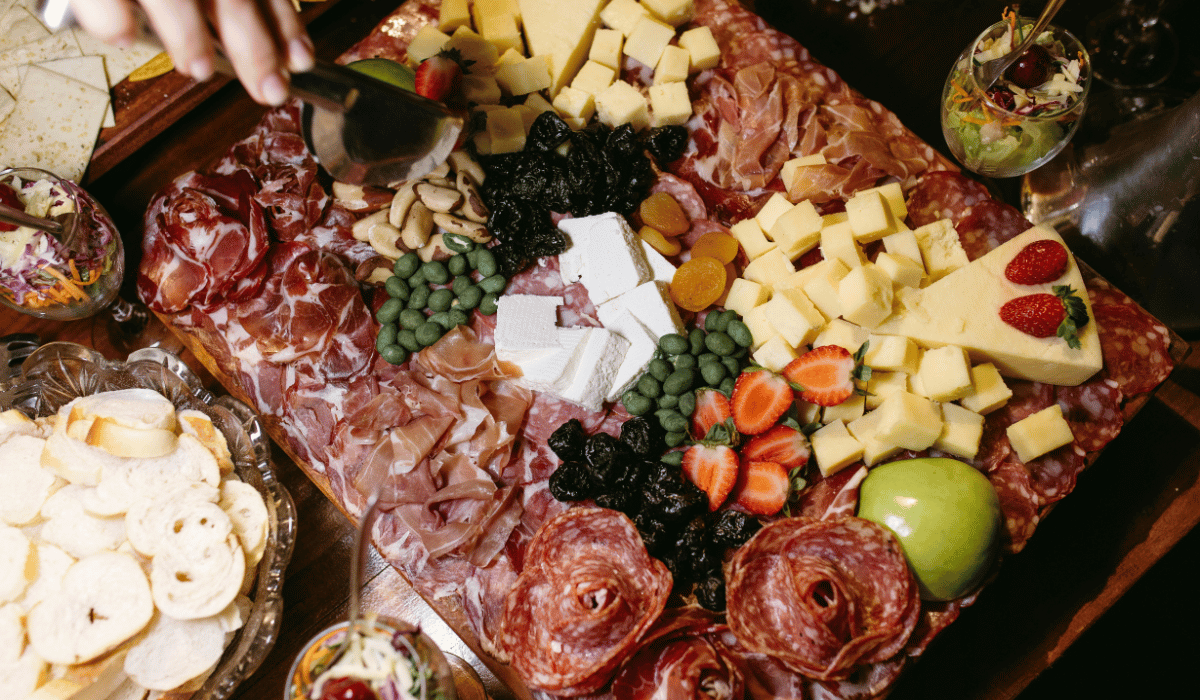
When I know dinner is steak, oysters, or something spicy, I am happy to get specific. A mystery dinner is different because there are too many ways to guess wrong, especially once appetizers, side dishes, sauces, and everybody else’s preferences enter the picture.
I tend to look for good acidity, moderate body, and a dry finish, which gives me room with chicken, fish, pasta, vegetables, cheese, or a spread of appetizers. I am cautious about wines that are so big, sweet, oaky, or tannic that they need the meal to meet them halfway.
I used to want to know the menu before I bought anything, and then I’d end up looking up the main dish, the sauce, and whatever sides I knew about. It was way too much thought for a bottle of wine, especially when dinner plans can change anyway. Now I usually pick something I’d be happy drinking myself, bring it along, and let the host decide whether it works for that night.
That’s part of why wine subscriptions like Wine Insiders work well for me. I can look through the bottles online while I’m already ordering everything else, and having the varietal, sweetness, price, and tasting information in front of me makes it a lot easier to narrow things down.
Dry Sparkling Wine: My First Pick

Sparkling wine earns the top spot for me because it can show up before dinner without feeling out of place. It works especially well with the food people put out while they are still cooking: cheese, salty snacks, salami, prosciutto, and olives.
I think people sometimes save sparkling wine for special occasions more than they need to. We drink it with regular dinners at home, so I’m perfectly comfortable bringing a bottle to someone’s house even if there’s nothing in particular to celebrate.
If I am shopping blind, I look for Brut, Brut Nature, or another sparkling wine clearly labeled dry. “Extra Dry” can be confusing because it generally contains a little more residual sugar than Brut, so I pay more attention to the sweetness information than the wording alone.
One I’d pick from Wine Insiders is the Abbazia Cuvée Prestige, which was $16.99 when I checked. It is a dry Italian sparkling wine with green apple, pear, citrus, and white-flower notes, and the site pairs it with foods including prosciutto, fried calamari, sushi, and fruit tart. That range is a pretty good illustration of why I like this category for a menu I have not seen.
If I wanted something pink, I’d look at the Las Falleras Organic Cava Brut Rosé DOP, which was $19.99 when I checked. It is a dry Spanish sparkling rosé made from Garnacha, with good acidity and a light, crisp style. I would be comfortable bringing that to a dinner where there might be seafood, appetizers, or a mix of lighter foods, and the bottle feels a little more interesting without becoming strange.
If They Drink Red: Pinot Noir Over Cabernet

My husband and I tend to prefer drier wines, and we drink plenty of red, so I understand why Cabernet Sauvignon can feel like the safer dinner-party purchase. It looks substantial, everybody knows what it is, and there is usually plenty of it on the shelf.
The problem is that Cabernet can be a lot if dinner turns out to be salmon, lemon chicken, mushrooms, or several lighter dishes. Pinot Noir gives me more breathing room. It tends to be lighter in body and lower in tannin than Cabernet, and its acidity works well with foods such as mushrooms and softer cheeses.
If I were going with Pinot Noir, the 2021 Photograph Pinot Noir is $19.99 on Wine Insiders and fits the kind of bottle I’d want for this. It is a dry Central Coast Pinot with cherry, raspberry, earth, and spice notes, and Wine Insiders suggests pairings including salmon, duck, mushroom risotto, and Brie. The product page recommends opening it about twenty minutes before serving, which is about as much planning as I want to ask from somebody who is also making dinner.
There’s also the 2022 Cameron Hughes Lot 909 Pinot Noir, which was $9.99 when I checked, and I would have no issue bringing a bottle in that price range to a casual dinner. I have become much less interested in whether a host can tell how much I spent and more interested in whether the wine belongs at the table.
I would still bring Cabernet if I knew we were eating steaks or a richer beef dinner. I just do not pick it by reflex anymore when the only information I have is “come over around six.”
For White Wine: Keeping It Crisp
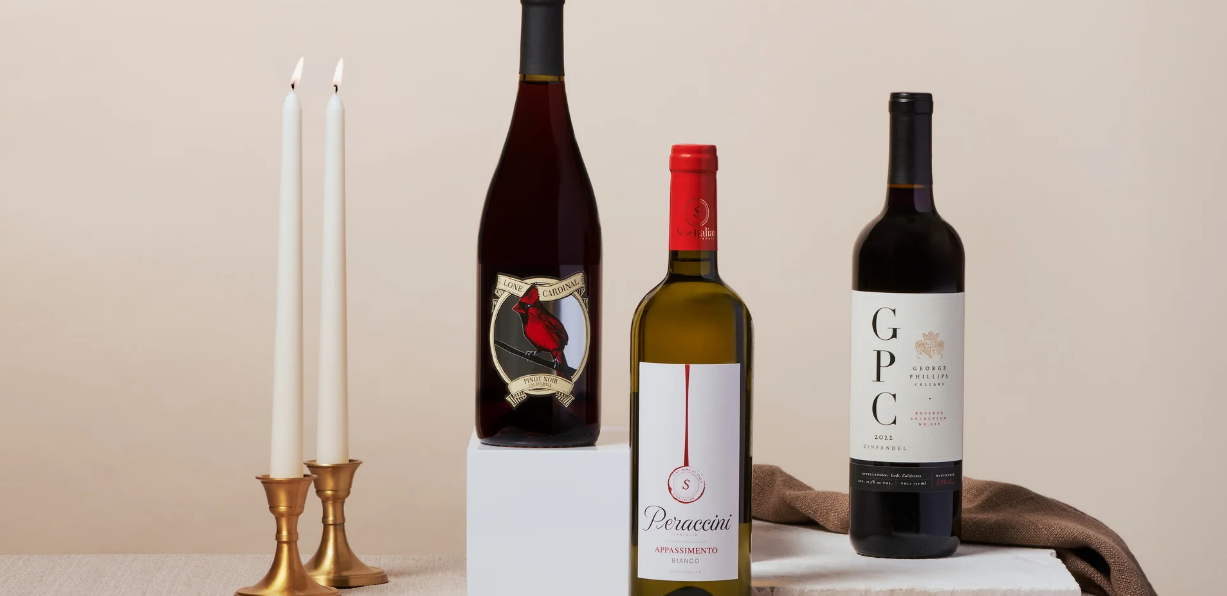
White wine can get surprisingly complicated when you are shopping for other people because “white” covers a lot of ground. A buttery Chardonnay and a sharp Sauvignon Blanc may sit a few feet apart in the store and behave very differently once dinner arrives.
Sauvignon Blanc is usually easier for me when I am guessing. It tends to have bright acidity and works well with seafood, salads, green vegetables, and herb-heavy dishes. It also works before dinner if the host already chose something else for the meal.
For Sauvignon Blanc, I like the look of the 2025 Finca Magnolia, which was $12.99 when I checked. It is a dry Mendoza Sauvignon Blanc with lime, passionfruit, grass, and mineral notes, and the listed pairings include oysters, ceviche, asparagus, and goat cheese. That is the kind of bottle I can add to an order without needing to know whether “we’re making something light” eventually turns into grilled chicken, fish, or a big salad.
Pinot Grigio can work in the same general situation, although I am a little pickier about it. I have had plenty that were easy to drink and completely disappeared once food showed up, so I would rather have some acidity, citrus, or mineral character than choose the mildest bottle I can find.
Why I’m Now Much More Open to Dry Rosé

I used to put rosé in a mental box with patios and very hot weather. Then I started paying more attention to how often a dry rosé worked with the food we were already eating, and now I think it is one of the easier bottles to bring to a casual dinner.
Rosé is especially useful when dinner looks like several different things on one table. Grilled chicken, salmon, vegetables, charcuterie, Mediterranean food, and slightly spicy dishes can all give a dry rosé somewhere to go, especially with a group split between white and red drinkers. Wine Insiders’ own rosé guide recommends dry styles with savory food and lists Mediterranean dishes, grilled seafood, charcuterie, goat cheese, and spicy food among the pairings.
I do read the sweetness description because the color tells me almost nothing surprising there. Since we lean dry at home, I would rather know before I order than find out after opening it.
If I were going with rosé, I’d look at the 2025 Lazo Rosé Blend, which was $15.99 when I checked and is marked dry. It is a Chilean rosé with strawberry, watermelon, citrus, and wet-stone notes, with suggested pairings that include grilled salmon, prosciutto, summer pasta, and Niçoise salad. That is much closer to the way I would use rosé than treating it like a seasonal drink that has to disappear after Labor Day.
Skip Wines That Need Extra Work

This is probably the easiest rule I have learned. If I am bringing wine as a host gift, I do not want it to arrive with instructions.
A bottle that needs to stand upright for sediment, breathe for an hour, or be decanted carefully may be wonderful, but I save that for a dinner where the wine is part of the plan. If someone is already cooking, answering the door, and setting the table, my bottle can be one less thing to manage.
I am also wary of spending a lot on wine if I am going to feel weird when it is not opened. This took me longer to learn than it should have because I used to think bringing wine meant I had selected part of dinner. Now I hand it over and let the host decide. They may open it right away, save it for later, or already have something else planned for the meal.
My sister-in-law often has an idea of what she wants to pour, and she is far better at matching wine to her own dinner than I am from twenty miles away with half the menu. Once I accepted that, shopping got much easier.
If I have a specific bottle I want everyone to try, I handle that differently and ask ahead of time. Then I am bringing something for us to drink together rather than giving the host a bottle and quietly hoping it gets selected.
How Much to Spend on Dinner-Party Wine
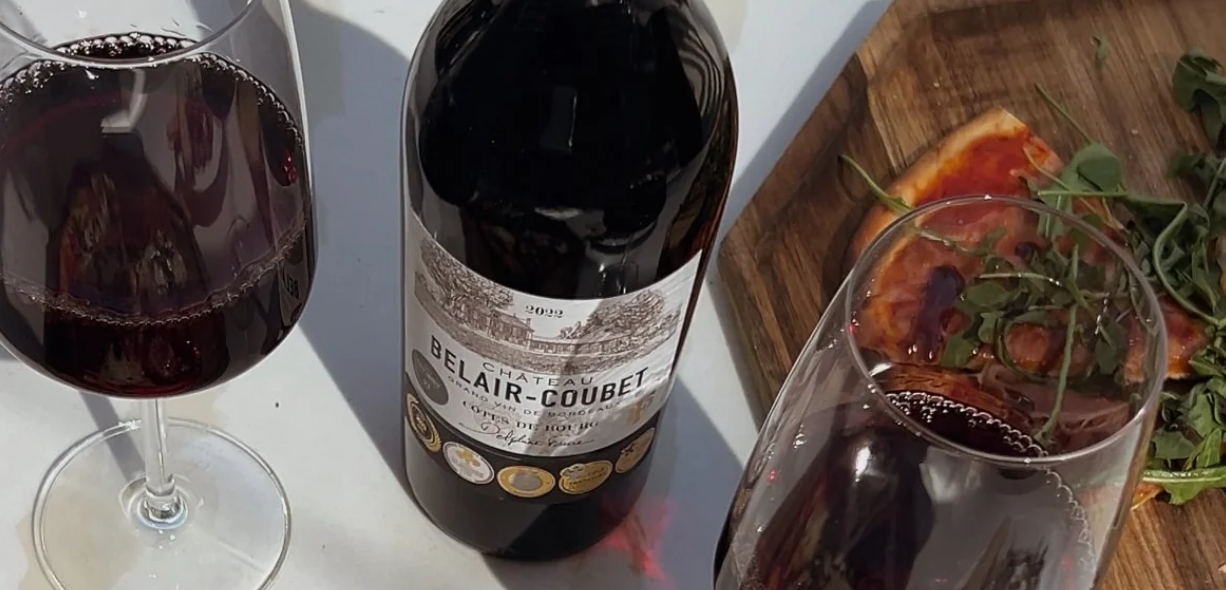
There is a strange little trap around wine where spending more can feel like proof that you tried hard enough, especially when I am bringing it to someone knowledgeable.
Still, I do not think most dinner invitations need an expensive bottle. In the $10 to $25 range, I can find dry wines from good regions, choose a grape I know the group drinks, and bring something I am happy to open myself. Wine Insiders’ current messaging puts much of its assortment in the affordable range, with wines starting under $10, which lines up well with the way I tend to shop for a normal dinner invitation.
If the dinner is a birthday, anniversary, or special occasion, I may go higher, but that is a different kind of invitation. I also like being able to bring two modestly priced bottles for a larger group without turning it into a big purchase. One sparkling bottle and one red can be more useful at a long dinner than one expensive bottle that everybody feels obligated to admire.
Why I Keep a Few Bottles on Hand

Because I handle most of our grocery shopping and online ordering, I have become a huge fan of not needing one more stop on a Saturday. If I’m already ordering from Wine Insiders, I’d rather add a couple of bottles that I know can work for this kind of dinner and have them in the house. A dry sparkling wine, a Pinot Noir, and maybe a Sauvignon Blanc would cover most of the invitations we get without taking up half a wine rack.
I also like that I can choose individual bottles à la carte instead of having to buy a preselected assortment. Wine Insiders says its wines are chosen by sommeliers, winemakers, and industry insiders and that it works directly with wineries, so some of the sorting has already been done before I start looking. I can still check whether something is dry, look at the price and tasting notes, and decide whether it sounds like something we would drink.
Most orders ship within two to three days, and Wine Insiders has its Perfect Pour Promise if I end up with a bottle I do not like. I still read the product page before I order because vintages and inventory change, and I checked the bottles named here before including them.
What I Would Bring to My Sister-in-Law’s House

If she texted me tonight and said they were having people over for dinner but gave me no menu, I would bring the dry sparkling wine. I would probably look at three other bottles first because I know myself, but I would end up back there.
If she mentioned that dinner was leaning red, I would switch to Pinot Noir. I would skip the big Cabernet unless I had a reason for it, and I would keep the price at a level where I could hand her the bottle and genuinely forget about it once I walked in.
That is probably the biggest change in how I shop for dinner-party wine. I used to treat the missing menu like a problem I could solve if I researched long enough, while now I am more interested in bringing something useful and getting out of the way. I want a bottle that can sit on the counter, go into the refrigerator, open with dinner, or stay at their house for another night without requiring an explanation.
By the time we get there, I would rather be standing in my sister-in-law’s kitchen asking what she is cooking than thinking about whether I chose the impressive enough wine.


We partnered with FirstLeaf Wine Club to bring you this special offer: 6 wines for $39.95 + Free Shipping. All you have to do is Take the Quiz and let FirstLeaf take care of the rest.